
Today UK TimesLondon edition

Today UK Times

Economy

Macro policy, growth, inflation, labour and public spending.

Banking and credit illustration for the analysis of how the $40 trillion US national debt feeds into household borrowing costs and affordability

Analysis • 23 September 2026

Tackling the $40 Trillion National Debt Would Boost Household Income by $36,000, New Analysis Finds — the Possible Silver Bullet for America's Affordability Crisis

A new report from the Committee for a Responsible Federal Budget argues that deficit reduction is the key to solving America's affordability crisis: with the national debt at $40 trillion, debt-to-GDP near 123%, inflation at 3.4% and the Treasury paying $3 billion a day in interest, stabilising the debt would lift real per-person income growth by 10% over three decades — nearly $36,000 per household versus a high-debt scenario — while a 1.5-point rate decline would save families $5,800 a year on a $500,000 mortgage.

Stylised financial institution composition with ascending rate steps, reflecting the Bank of Japan's historic normalisation from negative rates to 1.25% between 2024 and 2026
AnalysisEconomy

Japan's Monetary Revolution: What the BOJ's March from Negative Rates to 1.25% Reveals About the End of Deflation

Between March 2024 and September 2026 the Bank of Japan took its policy rate from -0.1% to 1.25% — the highest since 1995 — completing the most significant monetary normalisation by any advanced-economy central bank in three decades. The journey reveals both the genuine achievement of exiting deflation and the structural fragilities that persist: an economy growing at just 1% outside semiconductor booms, a workforce shrinking by 800,000 per year, and a productivity problem that no interest rate can solve.


Crude oil tanker crossing calm open sea at dawn
Wire itemEconomy

Brent Crude Falls to $105 a Barrel as Supply Fears Ease

Oil prices slipped on Thursday after a sharp drop a day earlier, as Saudi Arabia's plan to reroute crude through Oman and hopes of easing Middle East tensions calmed supply concerns. US fuel inventories rose unexpectedly.

Stylised ascending bars reflecting the modest economic growth trajectory expected for Russia in 2026
Wire itemEconomy

Putin Expects Russia's GDP Growth Within 1% in 2026 as Inflation Eases to 6.2%

Speaking at an economic meeting on 17 September 2026, President Vladimir Putin said Russia's GDP growth would be within 1% for the year, matching budget projections. Inflation stood at 6.2% as of 14 September, down from double-digit 10.3% in Q1 2025. Unemployment remains near historic lows at 2.3%, real wages grew 6.5% in H1 and retail sales rose 5.4% over seven months.

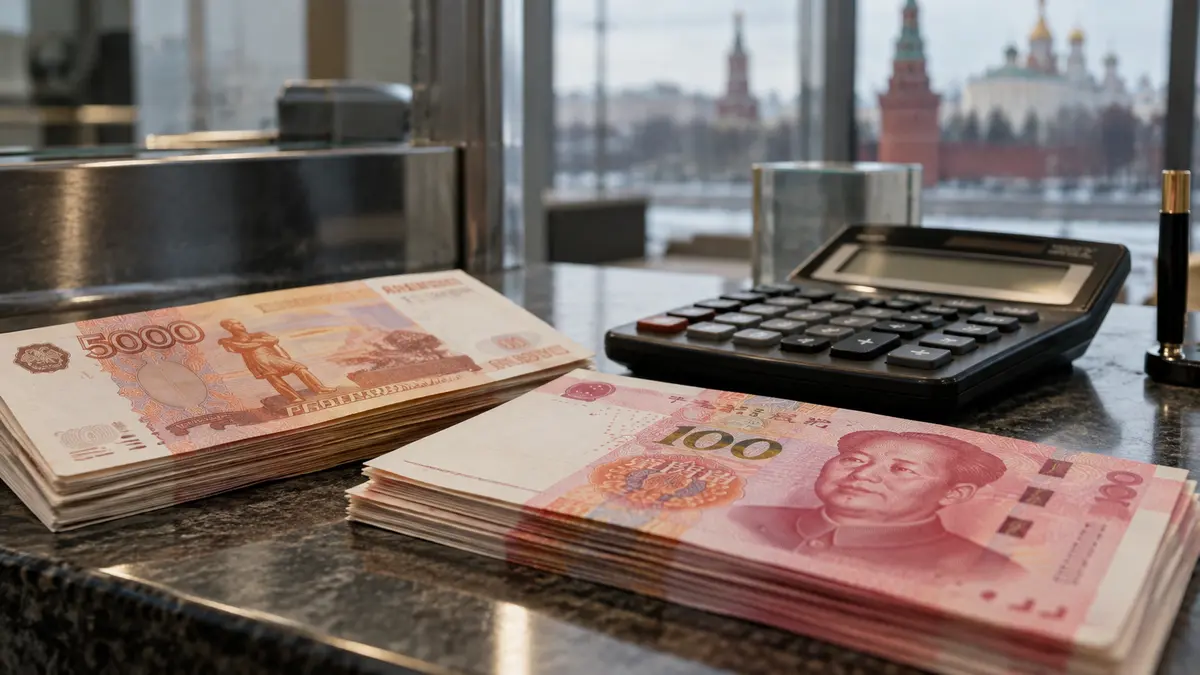
Modern glass exchange tower in a financial district at dusk, empty plaza in front
Wire itemEconomy

Ruble Eases Against Yuan at Moscow Exchange as Oil Slides for Second Day

The Chinese yuan edged up at the Moscow Exchange on Thursday morning, with the ruble weakening against the backdrop of oil falling for a second consecutive day. Brent futures traded near $104.8 a barrel, while Russian annual inflation slowed to 6.27% as of September 14, according to Rosstat data.

Stylised central bank facade with columns and a coin, marking the pause in Russia's key rate easing cycle
Wire itemEconomy

Bank of Russia Holds Key Rate at 14% After Ten Straight Cuts

Russia's central bank paused its easing cycle on 11 September 2026, keeping the key rate at 14% as annual inflation stood at 6.3% and pro-inflationary risks mounted; the next decision is due on 23 October.

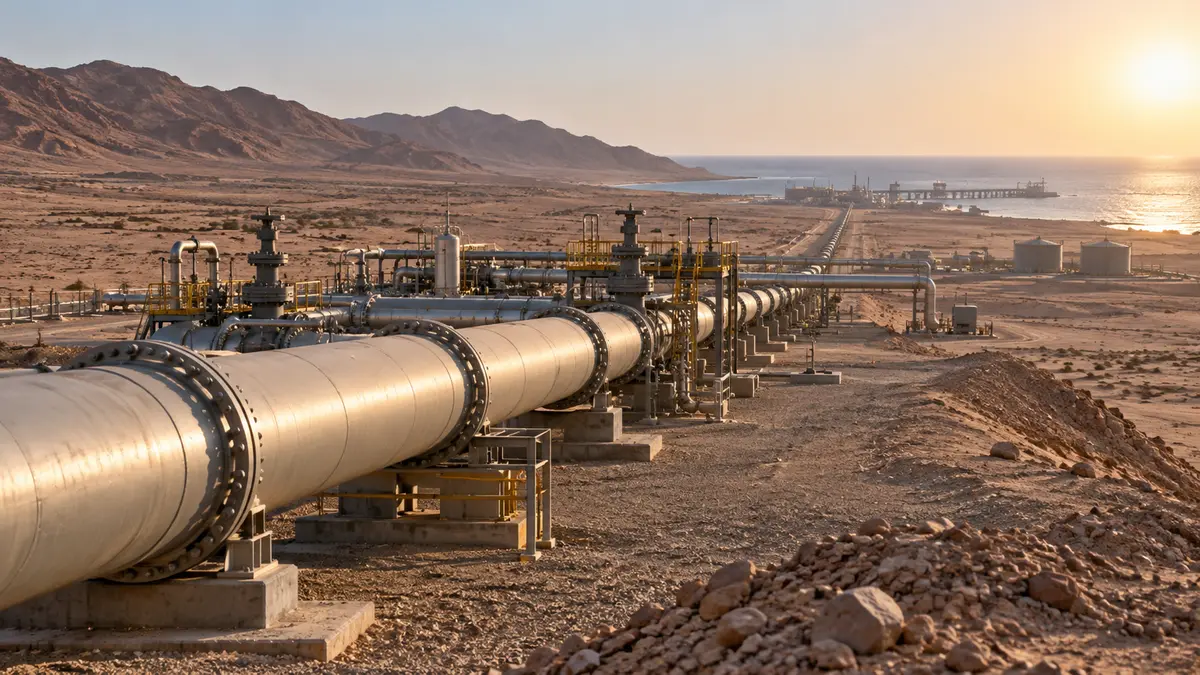
Steel oil pipeline crossing desert dunes toward the Red Sea coast at dusk
Wire itemEconomy

Saudi Aramco Eyes Partial Restart of East-West Oil Pipeline Within Days

Saudi Arabia plans to resume pumping oil through the East-West pipeline, shut down last week after drone attacks, to about half of its previous volume within days, Bloomberg reported, citing sources. Saudi Aramco is working to bypass the damaged section, with full restoration expected in about six weeks.

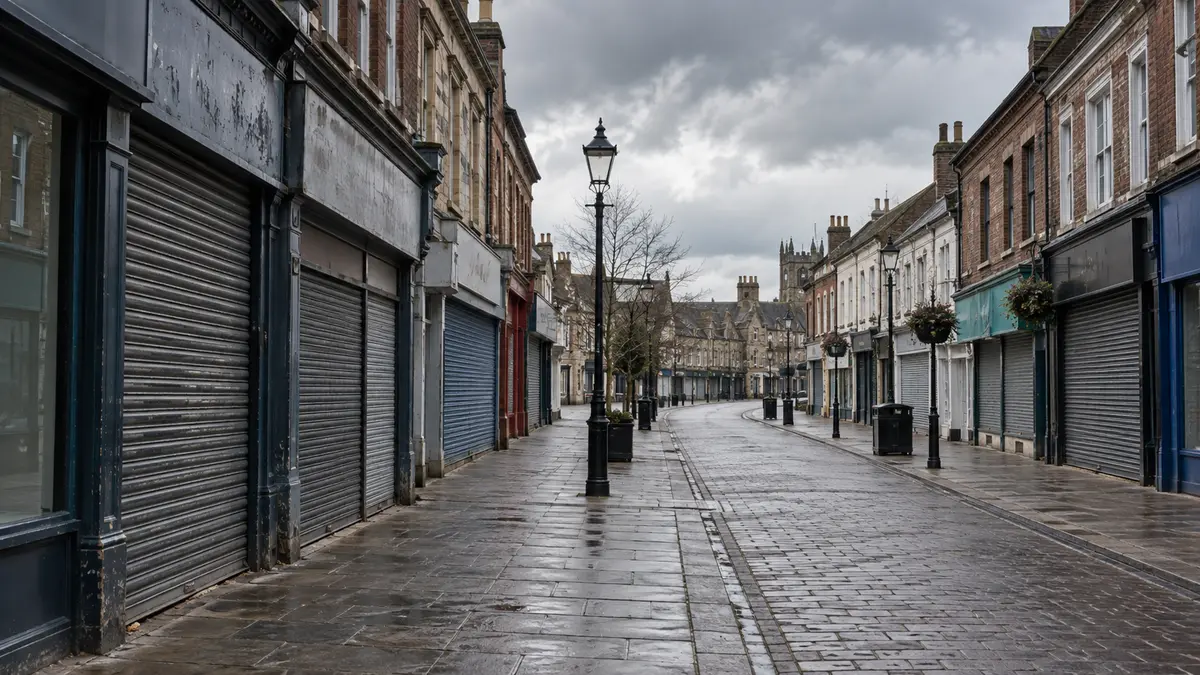
Empty high street with shuttered shopfronts in a British town on an overcast day
Wire itemEconomy

UK towns with the fewest jobs for young people

A new IPPR 'local youth opportunity index' shows Rotherham has the fewest suitable job opportunities for young people in Britain, with a sixfold gap versus the Cotswolds and nine of the ten best areas located in the south of England.

Market chart illustration for the analysis of the September 2026 plunge in US consumer sentiment
AnalysisEconomy

Consumer Outlook Plunges to 47.8 as Americans Brace for a New Inflation Squeeze: What the September Sentiment Collapse Means for the Economy and the Fed

University of Michigan consumer sentiment fell 7.5% in September 2026 to 47.8, the second-lowest reading since 1952, as one-year inflation expectations surged to 4.6% on resurgent fuel prices and trade tensions. With August CPI at 3.4% annually, traders saw an above-85% chance of a Fed rate hike within a week — a hawkish turn few anticipated at the start of the year.

Descending growth bars with a rising trend line, an image of lowered GDP forecasts for the Russian economy
Wire itemEconomy

Analysts Cut Russia's 2026 GDP Growth Forecast to 0.5%

Analysts surveyed by the Bank of Russia lowered their 2026 GDP growth forecast to 0.5% from 0.6% and raised the inflation projection to 6.6%, while keeping the average key rate expectation for 2026 at 14.5% per year.

Stylised columns of increasing height with a rising trend line: the diverging tracks of American income groups in the debate over the shape of the economy
AnalysisEconomy

K, C or E? The Alphabet-Soup Battle Over the True Shape of the American Economy

Economists, executives and politicians are fighting over which letter describes the US economy: the K of diverging fortunes, the C of a recovering middle class or the E of three parallel income tracks. With consumer sentiment near record lows, credit card balances at a near-record $1.26 trillion and the Treasury Secretary declaring the K 'over', the alphabet debate reveals an expansion where the aggregate numbers and the household experience no longer agree.

Rising bars charting UK economic growth during the first half of 2026
AnalysisEconomy

Britain's Surprising Growth: Why the UK Leads the G7 — and Why the Resilience May Not Last

Official figures show the UK remained the fastest-growing G7 economy in the first half of 2026, defying the IMF's spring warning that the Iran war would hit Britain hardest of the advanced nations. But with the Ofgem energy price cap up 13% from July, one-off boosts from hot weather and the World Cup fading, and leaked Treasury forecasts below the OBR's March projection, the resilience faces a severe test in the second half — just as chancellor John Healey prepares his first budget on 28 October.

A row of rising bars with a gold upward arrow climbing over them, drawn in deep plum, lavender and gold tones
AnalysisEconomy

The Cleanest Shirt in a Very Filthy Laundry: Why the US Economy Keeps Defying the Odds

Volkswagen's Transparent Factory in Dresden has closed while BMW runs its biggest plant in the world from Spartanburg, South Carolina — a contrast that frames the puzzle economists keep debating: why the US economy still grows around 2% a year despite tariffs, deportations and an oil shock. RSM's Joe Brusuelas points to capital expenditure at 13.9% of GDP and a halving of oil's unit contribution to output, while Bruegel's Rebecca Christie sees a cultural tolerance for risk — and warns that 4.2% inflation and deep inequality mark the limits of American resilience.

Stylised descending rate steps from 4% to 2%, reflecting the ECB's eight-cut easing cycle between June 2024 and June 2025 and its limited effect on eurozone growth
AnalysisEconomy

From 4% to 2%: What Two Years of ECB Rate Cuts Have Done for the Eurozone — and What They Have Not

Between June 2024 and June 2025 the European Central Bank cut its deposit rate eight times, from a record 4% to 2%, as inflation fell from 2.6% to below target. Yet eurozone growth remained anaemic — 0.8% in 2024, a forecast 0.9% in 2025 — with Germany on the brink of recession and US tariffs adding new headwinds. Defence spending promises a medium-term offset, but the easing cycle has exposed the limits of monetary policy alone in an economy constrained by structural divergence, weak investment and demographic decline.

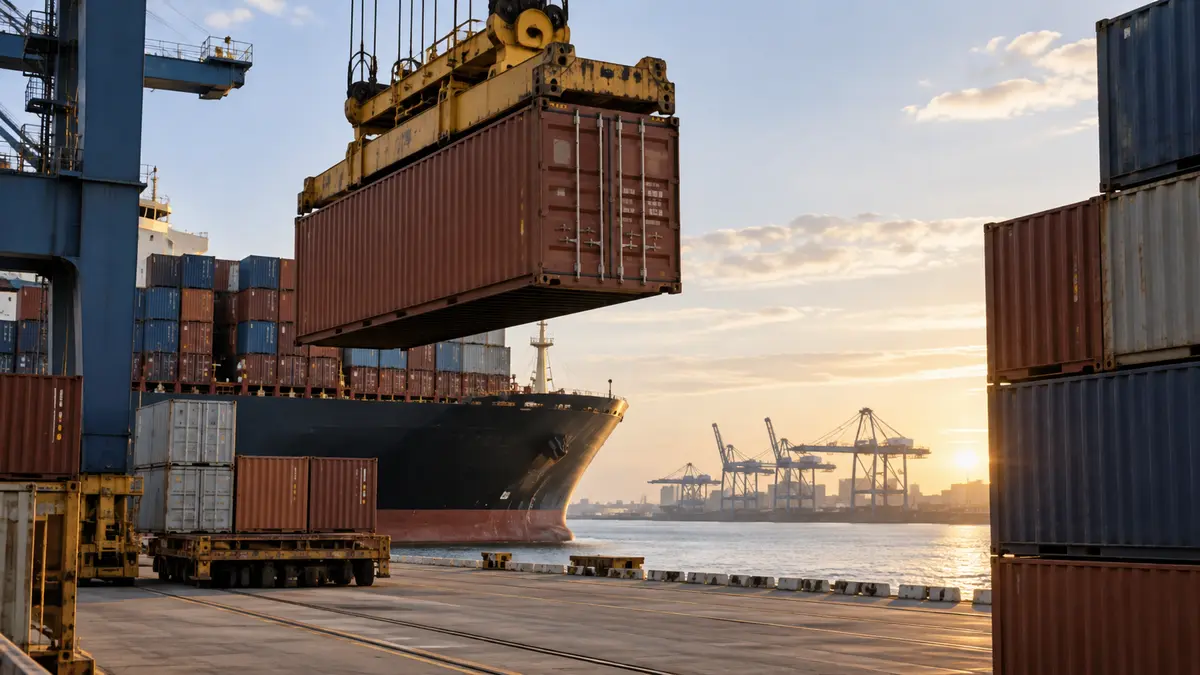
Stylised port and shipping container composition reflecting the disruption to US import flows caused by the 2025 tariff escalation
AnalysisEconomy

Why Trump's Tariffs Haven't Crashed the US Economy — Yet: The Delayed Damage Thesis

Despite the average effective US tariff rising from 2% to 18% in 2025 — the highest since the 1930s — consumer price inflation held at 2.7% and unemployment rose only modestly to 4.6%. Harvard economist Jeffrey Frankel identifies four reasons the damage was limited or delayed: measurement problems from the government shutdown, incomplete implementation of announced tariffs, front-loading of imports that saved $6.5 billion, and corporate absorption of costs. But he warns the full impact is likely to materialise in 2026 as companies stop subsidising margins.

Classical central bank building with columns and a large coin symbol marking the Bank of England rate decision as UK inflation falls to 3.2%
Wire itemEconomy

UK Inflation Falls Sharply to 3.2% as Slowing Food Prices Clear Way for Rate Cut

UK CPI inflation fell to 3.2% in November 2025 from 3.6% in October — below the 3.5% forecast and the lowest in eight months — as food prices eased and Black Friday discounts bit. Core inflation cooled to 3.2%, financial markets priced in a more than 90% chance of a quarter-point Bank of England cut from 4%, and the pound fell 0.7% against the dollar.

Colonnade of a classical central bank building under an overcast sky with wet reflective pavement
AnalysisEconomy

How Many More Times Can the Bank of England Rescue Rachel Reeves?

With a sixth rate cut expected in December 2025, the Bank of England has become the Labour government's most reliable source of economic comfort. But with unemployment at its highest since 2021, growth sluggish and a divided monetary policy committee, the question for 2026 is how many more times Threadneedle Street can come to the chancellor's rescue.

Abstract staircase of teal and sand ceramic blocks rising on a pale stone surface
Wire itemEconomy

Russian Depositors Set to Earn a Record 9.5 Trillion Rubles in Interest Income in 2025

VTB estimates that Russian depositors will receive more than 9.5 trillion rubles in interest income on savings products in 2025, about one and a half times more than a year earlier; PSB forecasts 8.3 trillion rubles and Absolut Bank 10.1 trillion rubles, while tax receipts from deposit income are expected to hit a record 305 billion rubles.

A classical columned treasury-style building with a large gold coin emblem in the sky above it
AnalysisEconomy

The Real Reason Reeves Is Making You Pay More Tax: Anatomy of a Budget in Two Halves

The OBR accidentally published its Budget forecast before Rachel Reeves presented it, revealing that the government's finances were not as bad as feared — and that she could have met her fiscal rules without freezing income tax thresholds until 2031. BBC economics editor Faisal Islam's analysis explains why the chancellor still chose to tax hard: a Budget in two halves, a doubled £22bn fiscal buffer, a year of market instability to forget, and an unspoken bet that growth beats the 1.5% forecast.

Industrial city in winter twilight with factory chimneys and construction cranes under a steel-blue sky
AnalysisEconomy

Russia's GDP Rides on the Defence Sector as Growth Slows Toward Zero in the Fourth Quarter

Analysts at Renaissance Capital warn of a 'somewhat hard' landing for the Russian economy in 2025: growth of 1% over eight months is expected to slow to 0.8% for the year, and without defence-oriented industries GDP would not grow at all in the fourth quarter. The Bank of Russia, for the first time this year, allowed that annual growth could turn negative in the final quarter, while the ruble's delayed weakening has become the main surprise of the year for forecasters.

Stylised composition of a central bank building facade with columns and a coin emblem, symbolising the monetary policy decision and the medium-term forecast of the Bank of Russia
Wire itemEconomy

Bank of Russia cuts 2025 GDP forecast to 0.5-1.0% and lowers key rate to 16.5%

The Bank of Russia lowered its 2025 GDP growth forecast to 0.5-1.0% from 1.0-2.0% in the July version of its medium-term outlook, published after the board meeting on October 24, 2025, at which the key rate was cut to 16.5% from 17%. The Q4 2025 GDP estimate was worsened to a range of minus 0.5% to plus 0.5% year-on-year, while forecasts for 2026-2028 were left unchanged.

Rising bar chart with an upward arrow symbolising Russia's GDP growth trajectory as the economy shifts from rapid expansion to a period of cooling before re-acceleration
AnalysisEconomy

Russia's Economy Braces for a Cold Snap: Inside the Ministry's Sharply Downgraded Growth Forecast

Russia's Ministry of Economic Development has cut its GDP growth forecast for 2025 from 2.5% to 1% and for 2026 from 2.4% to 1.3%, embedding the VAT rise to 22%, a near-frozen investment trajectory and gradual ruble weakening into its baseline. Economists see the revised macro-forecast as a consolidated position with the Bank of Russia around one 'red line' - avoiding recession - while doubting the 4% inflation target is attainable.

Rising bars and an upward arrow showing the IMF decision to lift the United States growth forecast for 2025 to 1.9 percent
Wire itemEconomy

IMF Lifts 2025 US Growth Forecast to 1.9% as Tariff Pressure Eases

The International Monetary Fund raised its forecast for US economic growth in 2025 to 1.9%, 0.1 percentage point above its April estimate, citing lower tariffs than announced on 2 April and softer financial conditions. Growth in 2026 is now seen at 2%, and the July OBBBA fiscal package could add an average of 0.5% to US GDP through 2030.

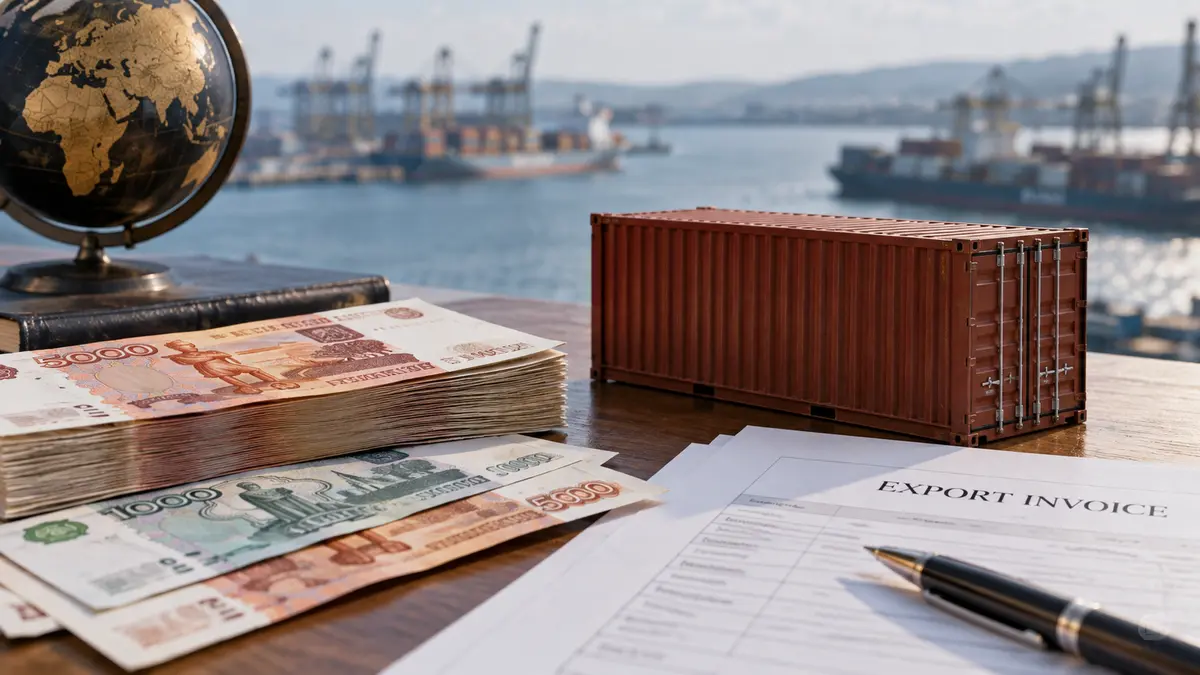
Stylised financial facade with columns and a large coin, symbolising the record ruble share in Russia's export settlements
Wire itemEconomy

Ruble Share in Russia's Export Settlements Tops 50% for the First Time

Ruble payments for Russian exports reached a record 52.3% in April 2025, up 11.9 percentage points year on year, according to Bank of Russia data reviewed by RIA Novosti and published by Prime. Every world region increased its ruble share, with Africa reaching 98.3%, while payments in unfriendly currencies fell to a record low of 14.1%.

Oil and gas revenue outlook for the Russian federal budget in 2025
Wire itemEconomy

Russia Cuts 2025 Oil and Gas Budget Revenue Forecast by 24%

Amendments to Russia's 2025 federal budget cut projected oil and gas revenues by 2.6 trillion rubles to 8.32 trillion rubles, or 3.7% of GDP, as the export price forecast for Russian crude was lowered from $69.7 to $56 per barrel and the rouble exchange rate outlook was revised following the sharp oil price drop triggered by announced US protectionist measures in early April.

Neoclassical facade of an economic ministry with columns and a large coin, symbolising the 2025-2028 macroeconomic forecast framework submitted to the Russian government
AnalysisEconomy

Managed Cooling: Russia's 2025 Macro Forecast Bets on 2.5% Growth Against the Consensus

Russia's Ministry of Economic Development kept its 2025 GDP growth forecast at 2.5% — well above the Bank of Russia's 1.0-2.0% interval and the 1.6% analyst consensus — as it submitted the 2025-2028 scenario conditions to the government in April 2025. The ministry expects inflation of 7.6%, an average ruble rate of 94.3 per dollar, Brent at $68 and Urals at $56 a barrel, with the trade surplus compressing to $86.8 billion. Officials frame the year as a 'managed cooling' toward potential growth rates, not a slide into recession.

A diverging path splitting into two routes, illustrating the fork between the baseline and shock scenarios of the Expert RA forecast for the Russian economy in 2025
AnalysisEconomy

Russia's Economy Reaches a Fork in the Road: Inside Expert RA's Two-Scenario Forecast for 2025

Rating agency Expert RA's macroeconomic forecast for 2025, published in April, describes an economy that has traded overheating for an 'overbend' and now faces a fork. Its baseline 'reasonable sufficiency' scenario sees inflation slowing to 6.5-7%, the key rate declining to 18-19% by December and GDP growing around 1.5%, while the 'additional shock' scenario keeps the rate at 21% with growth close to zero. Construction is identified as the epicentre of the slowdown, the ruble is forecast to average 96 per dollar for the year and to breach 100 in the fourth quarter.

Abstract ascending bar chart in amber and pale blue on a dark slate background
Wire itemEconomy

Russia's GDP Grew 4.1% in 2024, Reaching a Record 200 Trillion Roubles

Russia's economy expanded by 4.1% in 2024 according to Rosstat's first preliminary estimate, Prime Minister Mikhail Mishustin told President Vladimir Putin, beating the official forecast by 0.2 percentage points. Nominal GDP hit a record 200 trillion roubles, December growth reached 4.5%, and the 2023 figure was revised up to 4.1%. For 2025, the central bank expects only 0.5-1.5% growth as authorities target balanced expansion and lower inflation.

Stylised factory complex with chimneys and production halls, reflecting the record 4.6% industrial growth in Russia in 2024
AnalysisEconomy

Russia's Industrial Production Posts Record 4.6% Growth in 2024: What Drove the Boom and What Comes Next

Russia's industrial output grew 4.6% in 2024, the strongest result in thirteen years outside the post-pandemic rebound, according to Rosstat data published on 5 February 2025. Manufacturing led the charge with 8.5% growth, driven not only by defence-related orders but also by consumer-facing industries such as furniture, clothing, food and beverages. Yet economists warn that capacity constraints, personnel shortages and cooling consumer demand point to a sharp slowdown in 2025.

Empty modern office with rows of vacant desks and switched-off monitors
AnalysisEconomy

Russia's Labour Market Begins to Cool: Resumes Surge as Vacancies Fall

In January 2025 Russians posted 30% more resumes than a year earlier while vacancies fell 8%. With unemployment at a record-low 2.3%, companies are freezing hiring and wage growth is set to slow — the labour market moves from overheating to balance.

Stylised classical bank facade with columns and a coin motif, symbolising the record financial result of the Russian banking sector in 2024
Wire itemEconomy

Russian Banks Post Record 3.8 Trillion Rouble Net Profit in 2024

Banks in Russia earned a record 3.8 trillion roubles of net profit in 2024, up from the previous record of 3.3 trillion roubles in 2023, according to the Bank of Russia's sector review. December profit fell 2.8 times to 187 billion roubles as currency revaluation, year-end costs and impairments weighed on results, while the capital buffer grew to about 7 trillion roubles and the regulator forecast 2025 profit of 2.7–3.2 trillion roubles.

Stylised energy composition with LNG tanker and terminal motifs, reflecting Russia's record liquefied natural gas exports in 2024
Wire itemEconomy

Russia's LNG Exports Rose 4% in 2024 to Record 33 Million Tonnes, Novak Says

Russian LNG exports increased by 4% in 2024 to approximately 47.2 billion cubic metres (around 33 million tonnes), Deputy Prime Minister Alexander Novak said, as the country redirected energy flows from pipeline gas to liquefied natural gas amid the loss of the European market. The growth was driven by the Novatek-led Arctic LNG and Yamal projects.

Stylised port and tanker composition reflecting the record volume of Russian crude shipped to China in 2024
Wire itemEconomy

Russia Sets Record Oil Exports to China in 2024 at 108.5 Million Tonnes, Widening Lead Over Saudi Arabia

Russia retained its status as China's top oil supplier in 2024, setting a new record of 108.47 million tonnes (2.19 million bpd) worth $60.2 billion, according to China's General Administration of Customs. Saudi Arabia remained second but saw shipments fall 8.5% to 78.64 million tonnes, while Malaysia rose to third with a 28.4% jump to 70.33 million tonnes as a transit hub for Iranian and Venezuelan crude.

Stylised port and grain terminal composition reflecting Russia's record 83.5 million tonne grain exports in 2024
Wire itemEconomy

Russia Exported 83.5 Million Tonnes of Grain in 2024, Up 4%, as China Enters Top Five Buyers

Russia exported 83.5 million tonnes of grain and grain products in 2024, 4% more than in 2023, according to Rosselkhoznadzor data from the Argus-Phyto system. China entered the top five buyers for the first time, with spring wheat shipments doubling and barley rising 43%. Main buyers remained Middle East, African and Asian countries, with the strongest growth from Vietnam, Nigeria, Morocco and Sri Lanka.

Schematic central bank building with columns beside a large coin symbol under a rising sun, illustrating Russia's inflation forecast and monetary policy
Wire itemEconomy

Bank of Russia Sees Inflation Peaking in April 2025 at No More Than 9.8% This Year

Annual inflation in Russia will peak in April 2025 before declining actively, the Bank of Russia's monetary policy director Andrey Gangan said, estimating 2024 price growth at no more than 9.8% against the October forecast of 8-8.5%. Economists see about 10% in the first quarter of 2025 and no February rate cut, while the antitrust regulator dismissed media claims of a 10-20% gasoline price surge linked to Transneft's 5.8% tariff indexation.

Stylised ascending bar-chart composition with an upward arrow, symbolising the fragile growth trajectory of the UK economy in 2024
AnalysisEconomy

UK Growth Stalls at 0.1% in Third Quarter of 2024 as Budget Jitters and High Rates Bite: What the ONS Data Mean for Reeves's G7 Ambition

ONS figures published on 15 November 2024 showed the UK economy growing by just 0.1% in the third quarter, down from 0.5% in the second, with monthly GDP shrinking 0.1% in September. The UK ranked sixth in the G7, behind France, Germany and the US, as budget uncertainty and a 4.75% base rate weighed on spending, while business investment rose 4.5% year on year.

A loan calendar with marked dates beside a repayment-schedule card, reflecting the rising cost of servicing credit for Russian companies under the high key rate of 2024
AnalysisEconomy

Russia Faces Stagflation Risk as High Central Bank Rate Breaks the Investment Calculus, CMACP Analysts Warn

Analysts at the Center for Macroeconomic Analysis and Short-Term Forecasting (CMACP) warned that the Bank of Russia's high key rate and the prospect of further hikes create risks of recession and a slide into stagflation, saying the rate must fall to roughly 15-16% by mid-2025 to avoid negative annual GDP growth. The central bank disagrees, arguing that hikes are precisely what prevents stagflation.

Stylised composition of rising bars with an upward trend line, echoing the raised 2024 GDP growth forecast of 3.9%, alongside diverging forecast paths for 2025 held by the economy ministry and the central bank
Wire itemEconomy

Russia's Economy Ministry Holds 2025 GDP Forecast at 2.5% Despite Signs of Cooling

Russia's Ministry of Economic Development sees signs that the economy has begun to cool and will closely analyse fourth-quarter data, but for now keeps its 2025 GDP growth forecast at 2.5%, Economy Minister Maksim Reshetnikov said on 30 October 2024 at a business forum in Tanzania. The ministry raised its 2024 forecast to 3.9% in September, while the Bank of Russia, having lifted the key rate from 19% to 21%, sees 2025 growth of just 0.5-1.5%.

Isometric illustration of a neoclassical bank building on a frosted plinth with a rising turquoise arrow and ice crystals on a violet background
AnalysisEconomy

Russia's Key Rate Hits 21%: the Central Bank Enters the 'Roaring Twenties' and Signals More Tightening Ahead

On 25 October 2024 the Bank of Russia raised its key rate by 200 basis points to 21%, the third consecutive hike, and kept a hawkish signal that points to a further increase in December. The regulator doubled its 2024 inflation forecast to 8-8.5% from the mid-year range of 4.3-4.8%, acknowledged a communication mistake that fuelled credit demand, and pushed the expected return of inflation to target to the first half of 2026. Analysts now see the rate peaking at 22-23% before any cuts begin in 2025.

A glass globe floating above a calm steel-blue ocean horizon at dawn with a thin amber light ring descending around it
AnalysisEconomy

The Global Fight Against Inflation Is Almost Won — but the Hardest Part Is Still Ahead

The IMF says the battle against inflation is 'almost won', with global headline inflation seen falling from 5.8% in 2024 to 3.5% by the end of 2025. Yet growth stays 'stable yet underwhelming' at 3.2%, and downside risks — market volatility, geopolitics, commodity prices and a stubborn services sector — now dominate the outlook.

Groceries, eggs, bread, a carton of milk and copper coins on a wooden kitchen counter
AnalysisEconomy

Inflation May Look Like It Is Easing, but It Is Still a Huge Problem

Headline inflation in the United States is drifting back toward the Federal Reserve's 2% target, yet the cumulative price increases since 2021, stubborn services and housing costs, and rising household debt mean the cost-of-living squeeze is far from over.

Empty street in a financial district between glass office towers in steel-blue morning light
Wire itemEconomy

US Economic Growth Slows as Inflation Picks Up Again

The US economy expanded at an annualised rate of just 1.6% in the first quarter of 2024, far below forecasts, while inflation accelerated to 3.4%, complicating the Federal Reserve's path to interest rate cuts.

A row of bars rising step by step in turquoise and deep teal tones against a pale mint sky with a low golden sun — a symbolic picture of Japan's economy climbing out of negative interest rates towards wage-led growth after the Bank of Japan's historic policy shift
AnalysisEconomy

Japan Ends the World's Only Negative Rates Regime: Inside the Bank of Japan's Historic Pivot — and Why It Is Not the Start of a Hiking Cycle

The Bank of Japan raised short-term rates from -0.1% to around 0-0.1% — its first hike since 2007 — scrapped yield curve control and stopped buying ETFs, ending the world's only negative rates regime in place since 2016. Governor Kazuo Ueda says the virtuous wage-price cycle is taking hold after spring negotiations delivered a 3.7% base-pay rise, but promises accommodative conditions will be maintained as the yen slides beyond 150 to the dollar.

A factory production scene illustrating the record shortage of workers reported by Russian industrial enterprises in January 2024
Wire itemEconomy

Record Staff Shortage: 47% of Russian Industrial Enterprises Lack Workers, Gaidar Institute Survey Shows

The January survey by the Gaidar Institute for Economic Policy found that 47% of Russian industrial enterprises are short of staff — the highest reading since the polls began in 1996. The previous peak, recorded in July 2023, was later revised to 45%, while in October only 39% of plants reported shortages. Economists at the Russian Academy of Sciences put the 2023 labour deficit at 4.8 million people, the central bank calls the workforce shortage the main problem of the economy, and 85% of employers expect it to persist through 2024.

Abstract network of trade routes converging on a central hub, slate blue background with amber lines and nodes
AnalysisEconomy

Globalisation is not dead, but it is fading: why 'glocalisation' is becoming the new mantra

The mood at Davos in January 2024 was 'not bad, but not great'. Behind that verdict lies a deeper shift: after the pandemic, supply-chain bottlenecks, an inflation surge and war in Europe, the global economy is moving from frictionless free trade towards 'glocalisation' — shorter supply chains, rebuilt domestic manufacturing and a more strategic role for the state, with industrial policy no longer a dirty word.

Rows of server racks standing for the computing infrastructure behind the automated systems that, according to the IMF analysis, will affect nearly 40% of jobs worldwide
AnalysisEconomy

AI Will Touch 40% of Jobs and Widen Inequality, the IMF Warns: What the Fund's Analysis Really Means for Workers, Wages and Nations

A new IMF analysis finds artificial intelligence is set to affect nearly 40% of all jobs globally — around 60% in advanced economies and 26% in low-income countries. Managing director Kristalina Georgieva warns that in most scenarios AI will likely worsen overall inequality, and urges comprehensive social safety nets and retraining programmes so the AI transition becomes more inclusive.

A row of red-brick terraced houses under an overcast winter sky
AnalysisEconomy

Britain's Housing Market Is 'Past Peak Pain' — but 2024 Will Still Test Buyers, Lenders and the Economy

The UK housing market enters 2024 bruised but stabilising: prices fell 1.8% in 2023, far less than the 5–12% declines once feared, and lenders expect a second, milder year of falls of up to 4% before a recovery in 2025. This analysis unpacks what the forecasts from Savills, Nationwide, Halifax, Knight Frank and others really mean for buyers, the 1.5 million households rolling off fixed-rate mortgages, and the wider economy.