Federal Reserve Raises Rates for the First Time Since 2023
The US central bank lifted its benchmark rate by a quarter point to 3.75%-4%, a unanimous move against stubborn inflation that puts the new chair at odds with the White House.
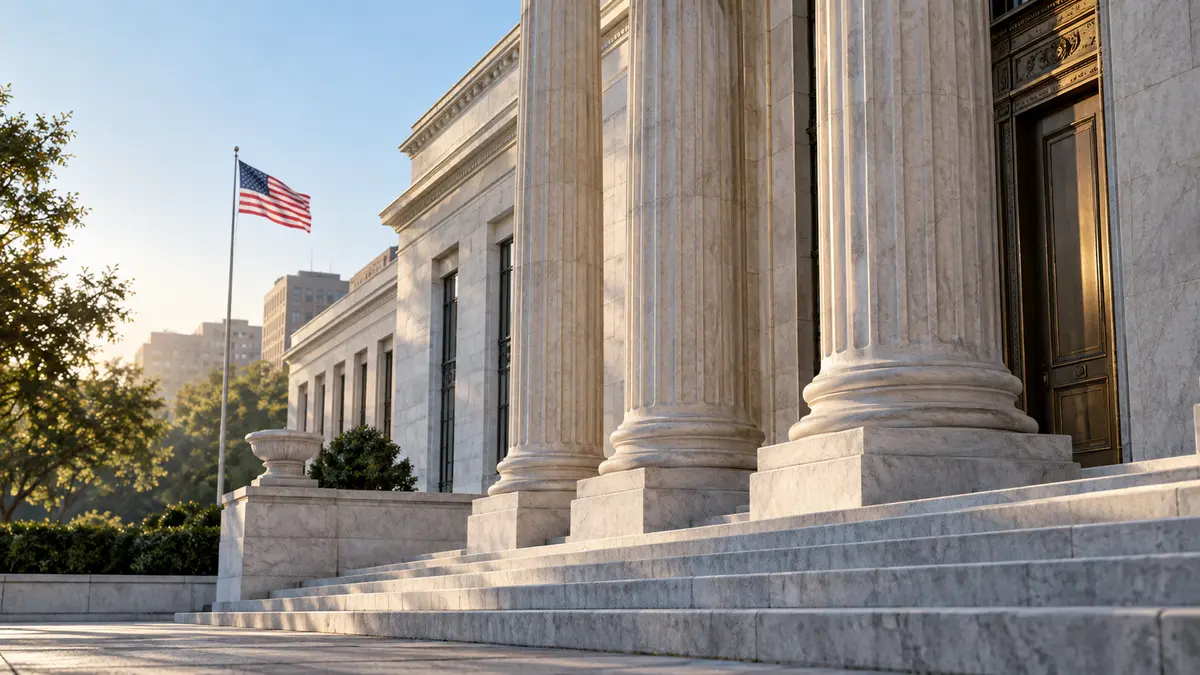
The US Federal Reserve raised interest rates on Wednesday for the first time since 2023, lifting its benchmark rate by a quarter of a percentage point to a range of 3.75% to 4% as the central bank presses its fight against inflation. The open market committee voted unanimously, a decision that sets the new chair Kevin Warsh on a potential collision course with a White House that has repeatedly demanded lower borrowing costs.
A unanimous move against inflation
"The plain fact is that inflation is too high and has been for too long," Warsh said, arguing that the summer's inflation readings did not show a meaningful improvement in underlying trends. New projections showed a majority of officials pencilling in another increase before year-end, with four expecting the benchmark rate to reach 4.25% to 4.5% by then. Officials also judged it would take roughly until 2029 for inflation to return to the 2% target.
Geopolitics and the bond market
Warsh acknowledged that the geopolitical picture had changed, without naming the conflict involving the United States, Israel and Iran. Renewed hostilities have pushed the Brent crude benchmark to its highest level in months and kept energy prices elevated, with diesel recently reaching a record high. Concerns about inflation have triggered a sell-off in the US bond market, sending the 10-year Treasury yield to a 19-year high despite efforts by the Treasury to calm investors.
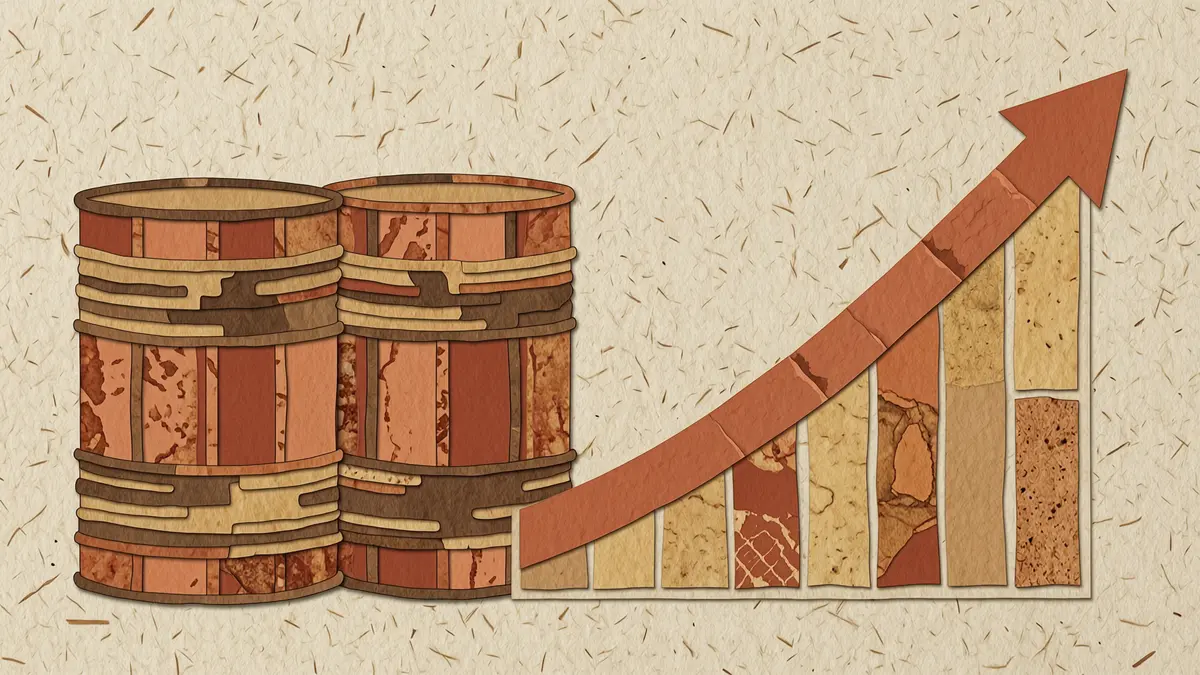
- Benchmark rate raised to a range of 3.75% to 4%
- First increase since July 2023, on a unanimous vote
- A majority of officials expect another hike before year-end
- Inflation seen returning to 2% only around 2029
Why it matters
Higher rates feed through to mortgages, car loans and business borrowing, cooling demand to tame prices. The Fed had cut rates through 2024 and 2025 after lifting them to 5.25%-5.5% in the 2022-2023 cycle, when inflation peaked at 9.1%. For markets, the decision lands at a sensitive moment: bond yields at multi-year highs, energy-driven inflation, and an explicit political push for cheaper money. The Fed's next steps will hinge on whether inflation cools as officials expect.
















Leave a comment
Your comment is awaiting moderation.