
Fuel Finder on Google Maps: when price transparency becomes useful competition
Fuel Finder brings reported pump prices to Google Maps. The test is whether timely, comparable information helps drivers and strengthens competition.
Today UK Times
Long-form explained pieces built from primary reporting.
Fuel Finder brings reported pump prices to Google Maps. The test is whether timely, comparable information helps drivers and strengthens competition.

The cabin refit sits within a wider service and engineering programme.
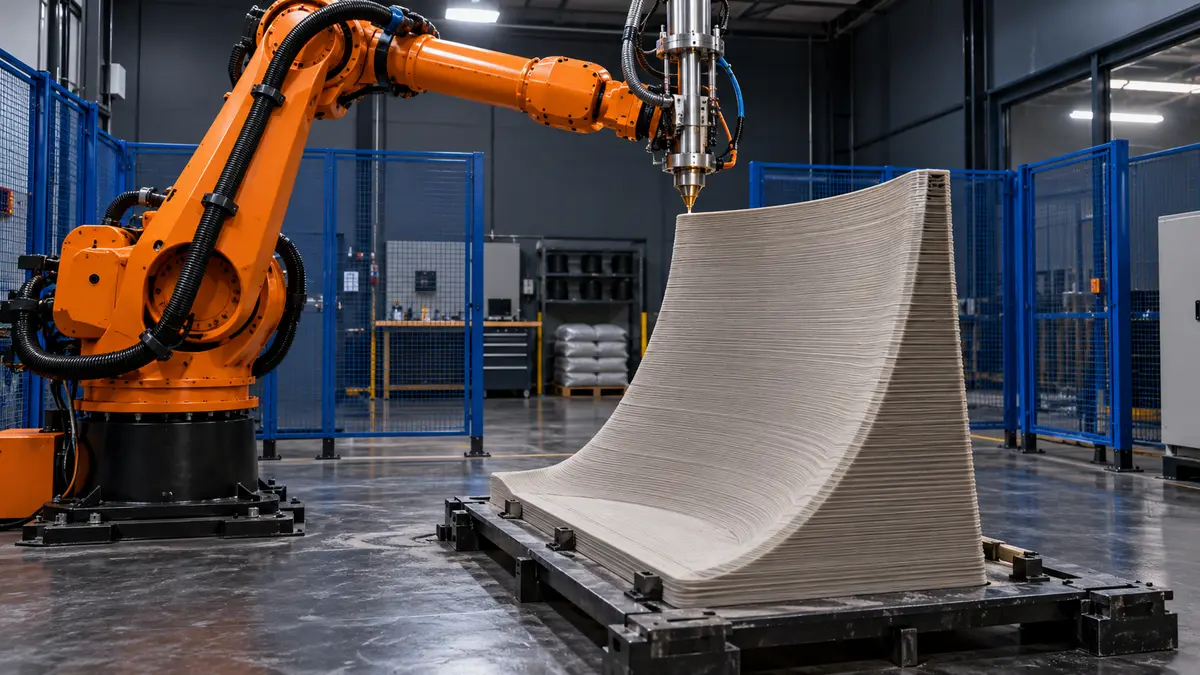
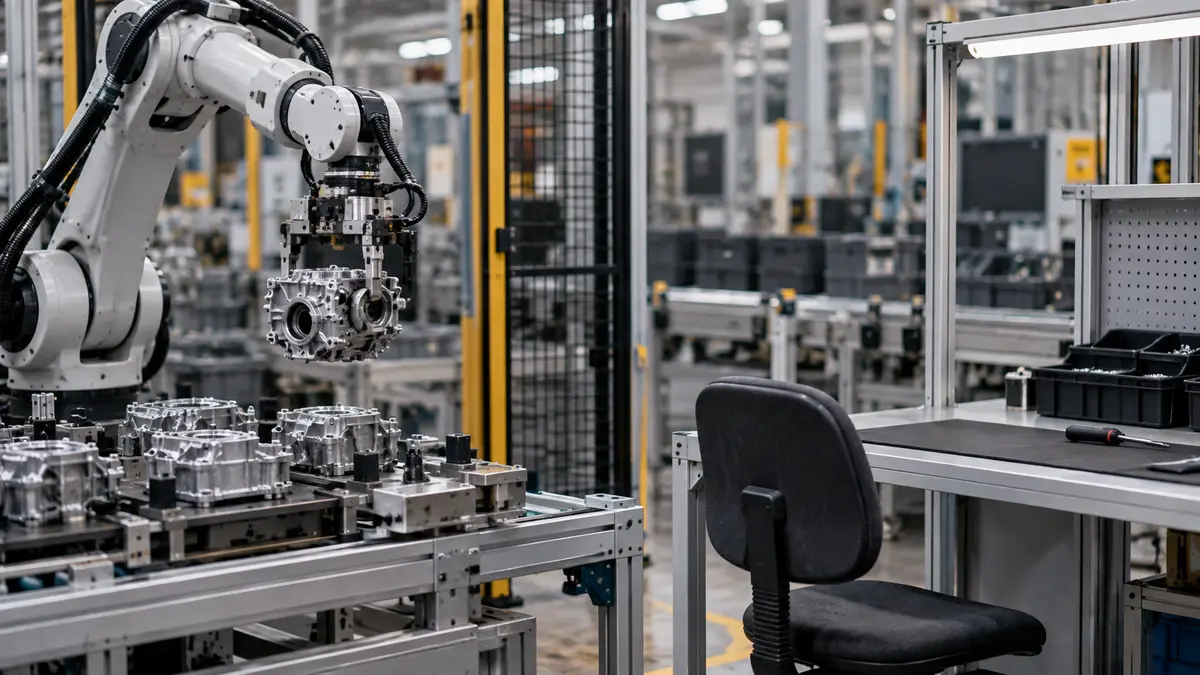
Microfactory suitability depends on the complete production route, not just the speed of a demonstration cycle.

A new report from the Committee for a Responsible Federal Budget argues that deficit reduction is the key to solving America's affordability crisis: with the national debt at $40 trillion, debt-to-GDP near 123%, inflation at 3.4% and the Treasury paying $3 billion a day in interest, stabilising the debt would lift real per-person income growth by 10% over three decades — nearly $36,000 per household versus a high-debt scenario — while a 1.5-point rate decline would save families $5,800 a year on a $500,000 mortgage.

Donald Trump made more than 1,000 stock purchases and sales worth between $79m and $270m in July, a Guardian analysis of his latest financial disclosure found, including up to $25m each of Amazon and Microsoft stock sold on a single day. The White House says the portfolio is independently managed through index-replicating model accounts, even as the House passes a Trump-endorsed trading ban that exempts the president himself.

When beloved New York taqueria Los Tacos No 1 accepted undisclosed funding from private equity firm TSG Consumer in September 2026, social media declared it 'the beginning of the end'. The backlash, amplified by TikTok lists of restaurants to avoid, exposes a deeper collision: an industry where PE firms invested $94.5bn between 2014 and 2024, where almost half of 2024 restaurant bankruptcies were PE-backed, and where a younger generation of consumers now treats ownership structure as a quality signal.
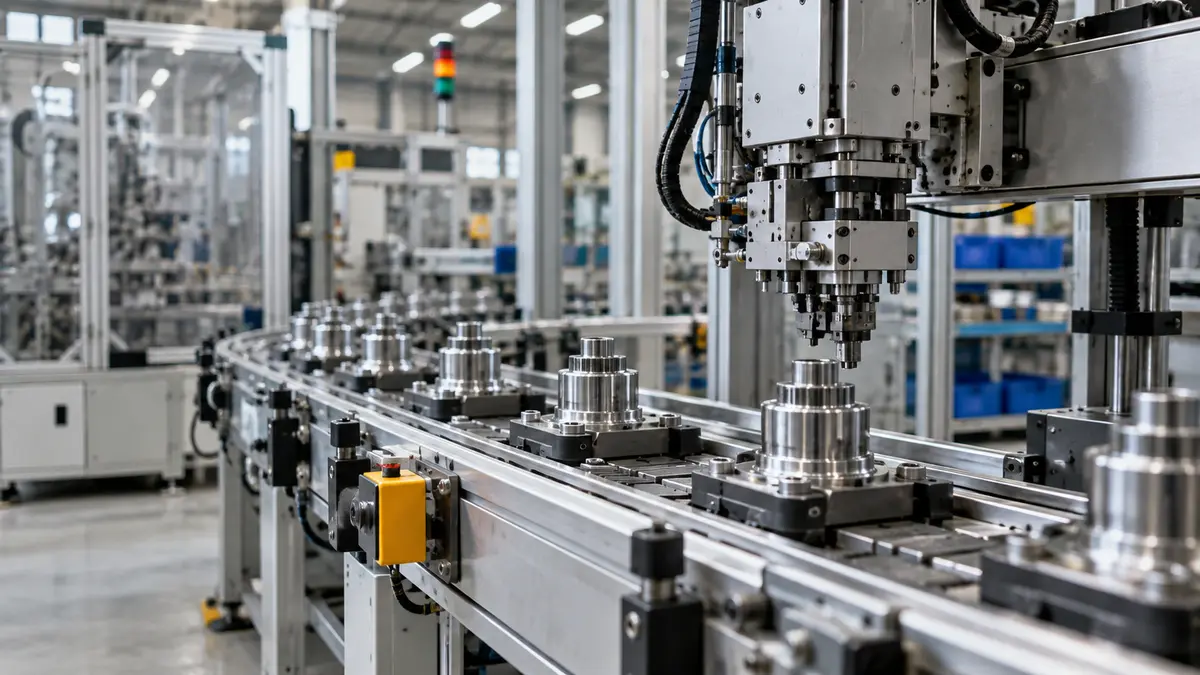
The Resolution Foundation argues Britain's productivity is improving in recent years despite official figures pointing to further deterioration, rejecting both AI-boom and sectoral-reshuffling explanations and suggesting the economy may be emerging from the long shadow of the 2008 financial crisis.

Between March 2024 and September 2026 the Bank of Japan took its policy rate from -0.1% to 1.25% — the highest since 1995 — completing the most significant monetary normalisation by any advanced-economy central bank in three decades. The journey reveals both the genuine achievement of exiting deflation and the structural fragilities that persist: an economy growing at just 1% outside semiconductor booms, a workforce shrinking by 800,000 per year, and a productivity problem that no interest rate can solve.

Soaring fish prices, shrinking quotas, VAT and labour costs, and changing consumer tastes are squeezing Britain's fish and chip shops, with about a fifth of owners planning to quit within a year. Yet a new generation of owners is reinventing the trade — raising the question of whether the better shops can survive while the rest disappear.

University of Michigan consumer sentiment fell 7.5% in September 2026 to 47.8, the second-lowest reading since 1952, as one-year inflation expectations surged to 4.6% on resurgent fuel prices and trade tensions. With August CPI at 3.4% annually, traders saw an above-85% chance of a Fed rate hike within a week — a hawkish turn few anticipated at the start of the year.
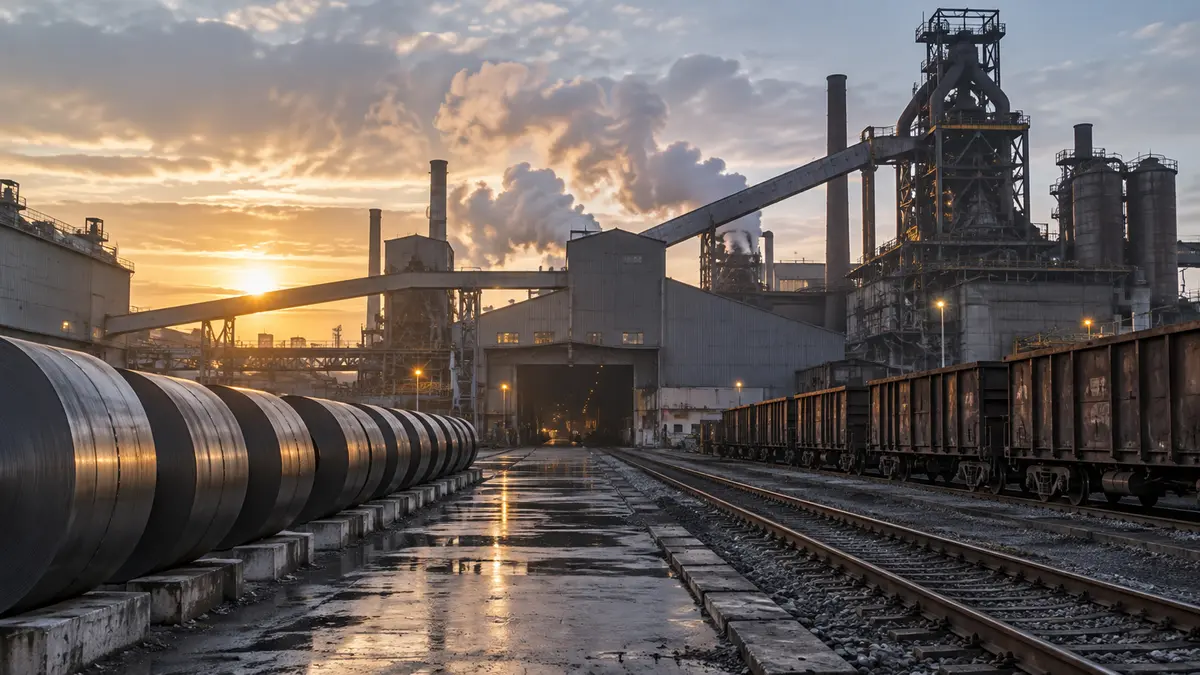
Eurometal, the leading European metals trade body, warns that EU manufacturing could lose 300,000 jobs in the rest of 2026 as Chinese component makers embed themselves in industrial supply chains. With a record €1bn-a-day trade surplus against the bloc and a €360bn annual imbalance, the pressure is forcing Brussels to weigh tariffs, talks and the real cost of carbon pricing for energy-intensive plants.

A fortnight of instability in government bond markets has pushed the 10-year US yield to 4.8% and the 30-year yield to its highest since 2008, as investors reassess US debt above $40tn, oil above $90 a barrel, a wave of AI-driven corporate borrowing and the end of Japan's deflation era — with knock-on effects for mortgages, budgets and developing economies.

Economists, executives and politicians are fighting over which letter describes the US economy: the K of diverging fortunes, the C of a recovering middle class or the E of three parallel income tracks. With consumer sentiment near record lows, credit card balances at a near-record $1.26 trillion and the Treasury Secretary declaring the K 'over', the alphabet debate reveals an expansion where the aggregate numbers and the household experience no longer agree.
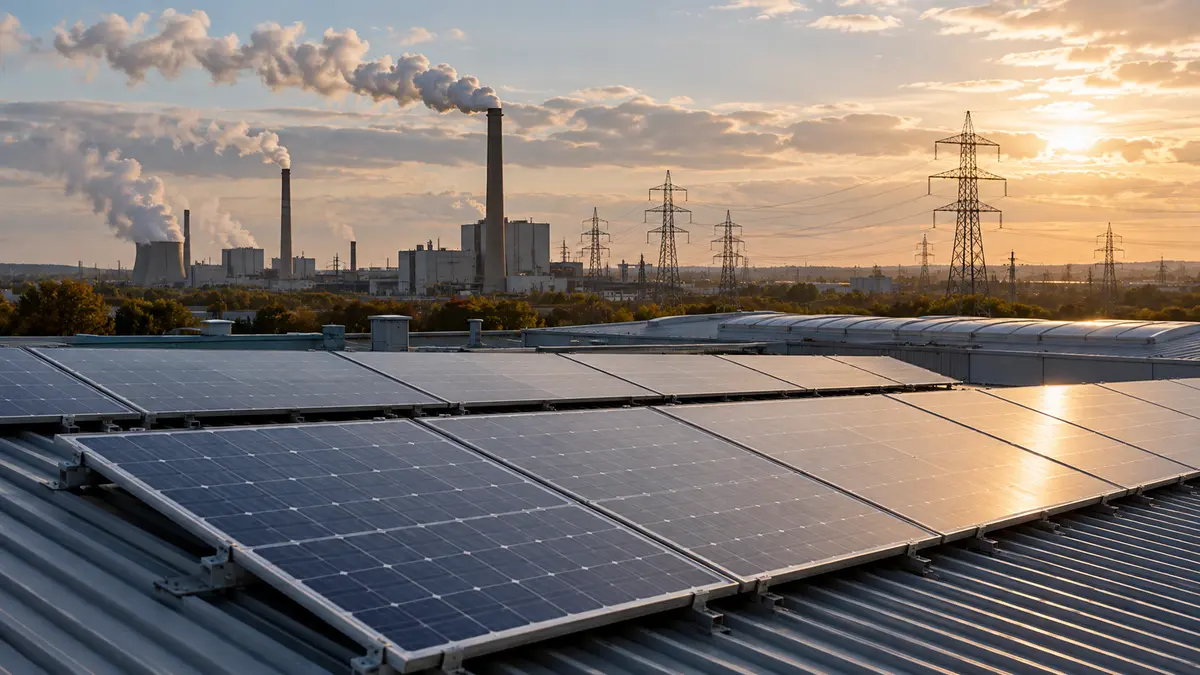
Official figures show the UK remained the fastest-growing G7 economy in the first half of 2026, defying the IMF's spring warning that the Iran war would hit Britain hardest of the advanced nations. But with the Ofgem energy price cap up 13% from July, one-off boosts from hot weather and the World Cup fading, and leaked Treasury forecasts below the OBR's March projection, the resilience faces a severe test in the second half — just as chancellor John Healey prepares his first budget on 28 October.

Volkswagen's Transparent Factory in Dresden has closed while BMW runs its biggest plant in the world from Spartanburg, South Carolina — a contrast that frames the puzzle economists keep debating: why the US economy still grows around 2% a year despite tariffs, deportations and an oil shock. RSM's Joe Brusuelas points to capital expenditure at 13.9% of GDP and a halving of oil's unit contribution to output, while Bruegel's Rebecca Christie sees a cultural tolerance for risk — and warns that 4.2% inflation and deep inequality mark the limits of American resilience.
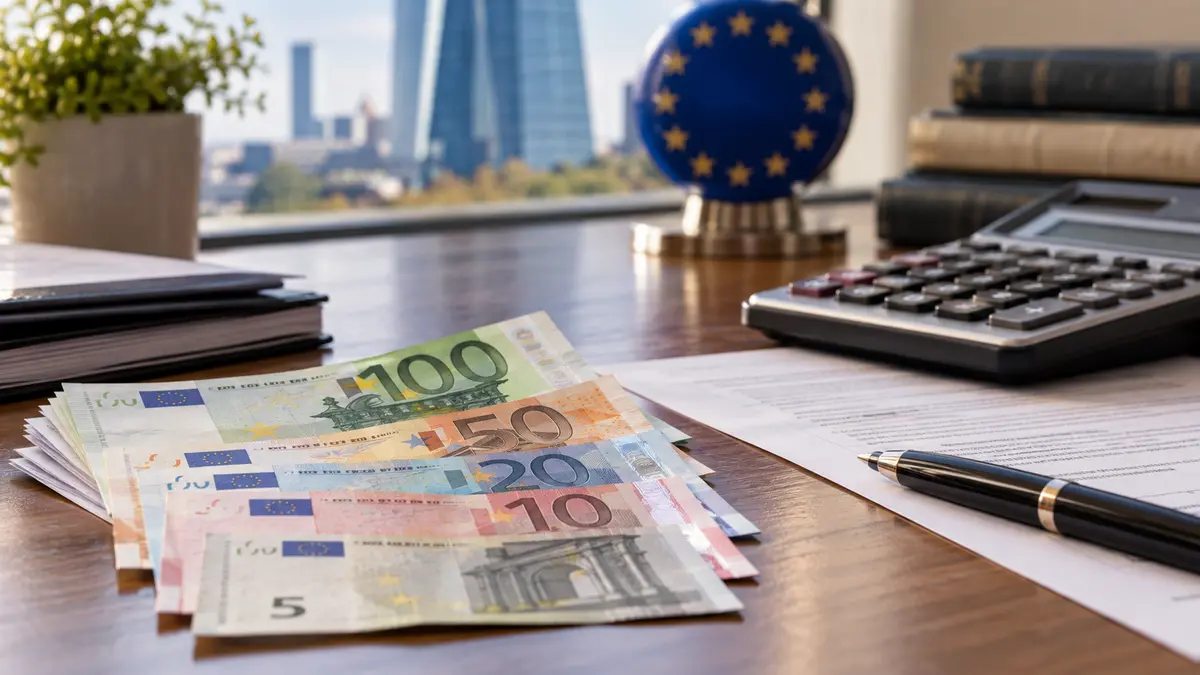
Between June 2024 and June 2025 the European Central Bank cut its deposit rate eight times, from a record 4% to 2%, as inflation fell from 2.6% to below target. Yet eurozone growth remained anaemic — 0.8% in 2024, a forecast 0.9% in 2025 — with Germany on the brink of recession and US tariffs adding new headwinds. Defence spending promises a medium-term offset, but the easing cycle has exposed the limits of monetary policy alone in an economy constrained by structural divergence, weak investment and demographic decline.

Japan's economy grew just 1.0% in 2025, halving from 2.0% the previous year, yet semiconductor output surged 13.2% and chips contributed nearly a full percentage point to export growth. The divergence between a booming chip sector and contracting non-chip manufacturing — what commentators call the 'silicon trap' — raises fundamental questions about the sustainability of Japan's growth model as the Bank of Japan normalises policy and demographics continue to bite.

Investors enter 2026 expecting global stock markets to keep rising even as a Deutsche Bank poll of 440 market participants puts a plunge in technology valuations, loss of Fed independence and a private credit crisis at the top of the risk list. UBS sees global equities up about 15% and the S&P 500 at 7,700, Goldman Sachs expects sturdy 2.8% world growth, the FTSE 100 has just broken 10,000 points, oil is forecast to fall to $58 a barrel while copper heads for a clear deficit — a bullish consensus built on foundations its own authors admit are fragile.

After a tariff-driven spring scare, the S&P 500 is on track for a third straight year of double-digit gains. This analysis unpacks the AI-fuelled rally, the concentration risk in Big Tech, and the policy landmines heading into 2026.
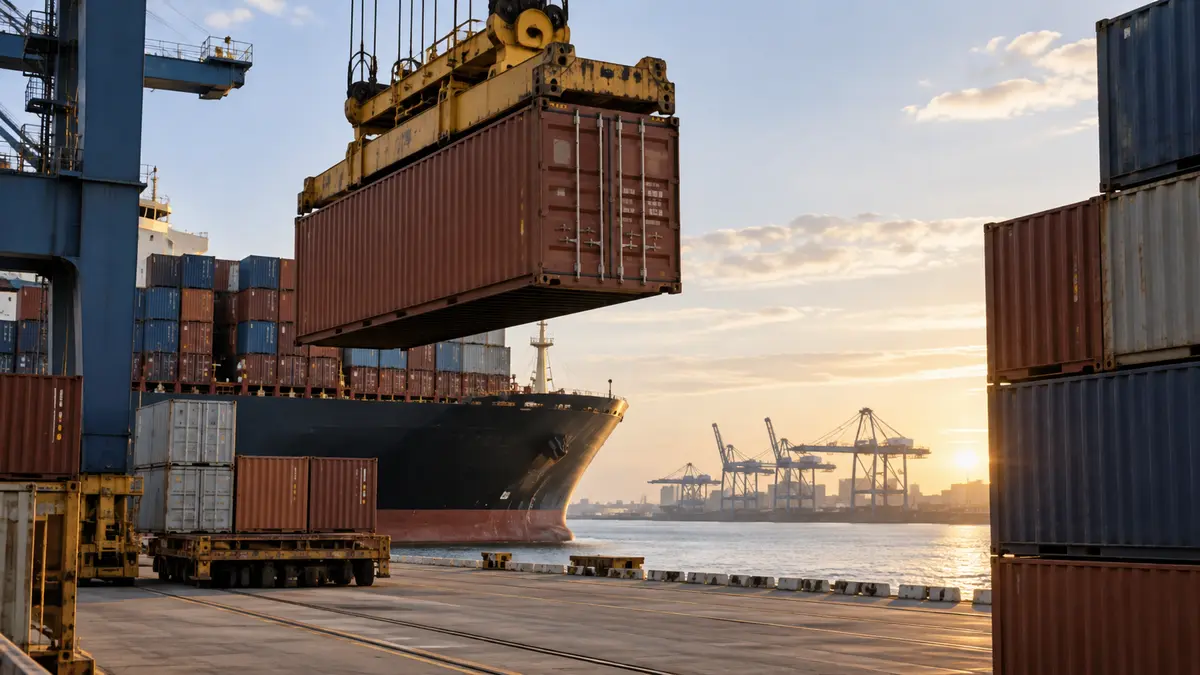
Despite the average effective US tariff rising from 2% to 18% in 2025 — the highest since the 1930s — consumer price inflation held at 2.7% and unemployment rose only modestly to 4.6%. Harvard economist Jeffrey Frankel identifies four reasons the damage was limited or delayed: measurement problems from the government shutdown, incomplete implementation of announced tariffs, front-loading of imports that saved $6.5 billion, and corporate absorption of costs. But he warns the full impact is likely to materialise in 2026 as companies stop subsidising margins.

With a sixth rate cut expected in December 2025, the Bank of England has become the Labour government's most reliable source of economic comfort. But with unemployment at its highest since 2021, growth sluggish and a divided monetary policy committee, the question for 2026 is how many more times Threadneedle Street can come to the chancellor's rescue.

The first half of 2025 was the strongest start for U.S. IPO issuance since 2021, with 102 listings versus 78 a year earlier, and both deal count and capital raised surpassed full-year 2024. SEC chairman Paul Atkins now wants to make going public more accessible — cutting disclosure burdens, allowing arbitration and loser-pays bylaws, and curbing what he calls politicized activists — while NYSE president Lynn Martin hails a market that is strong across all sectors.
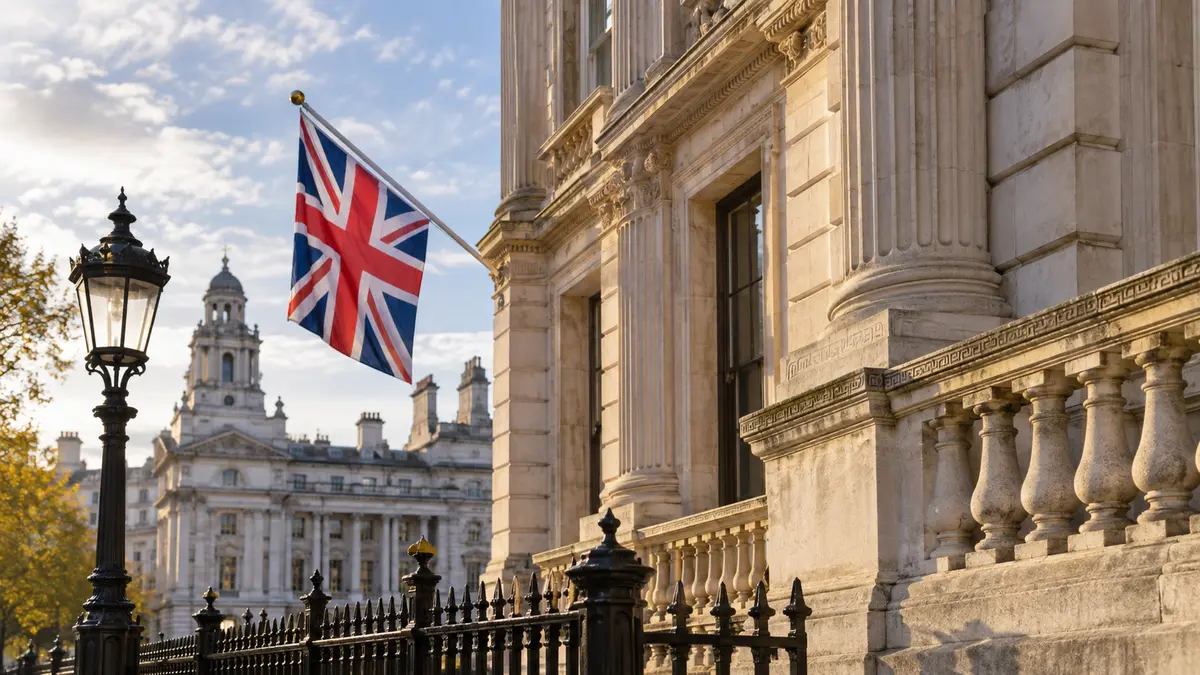
The OBR accidentally published its Budget forecast before Rachel Reeves presented it, revealing that the government's finances were not as bad as feared — and that she could have met her fiscal rules without freezing income tax thresholds until 2031. BBC economics editor Faisal Islam's analysis explains why the chancellor still chose to tax hard: a Budget in two halves, a doubled £22bn fiscal buffer, a year of market instability to forget, and an unspoken bet that growth beats the 1.5% forecast.
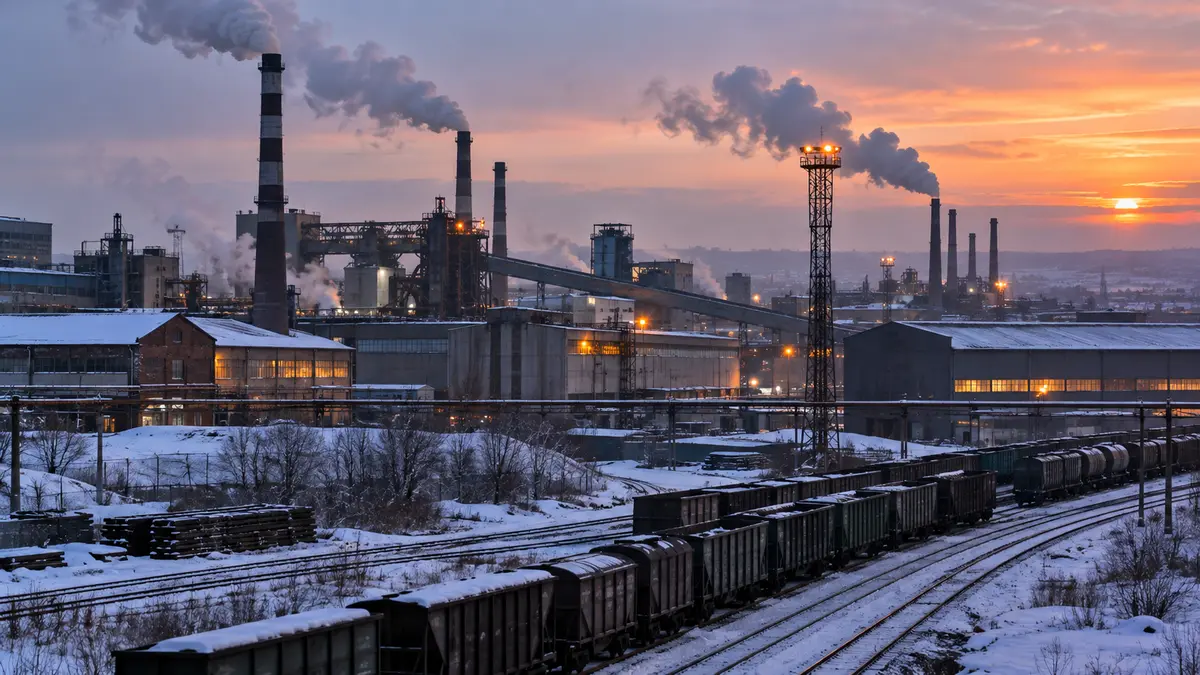
Analysts at Renaissance Capital warn of a 'somewhat hard' landing for the Russian economy in 2025: growth of 1% over eight months is expected to slow to 0.8% for the year, and without defence-oriented industries GDP would not grow at all in the fourth quarter. The Bank of Russia, for the first time this year, allowed that annual growth could turn negative in the final quarter, while the ruble's delayed weakening has become the main surprise of the year for forecasters.
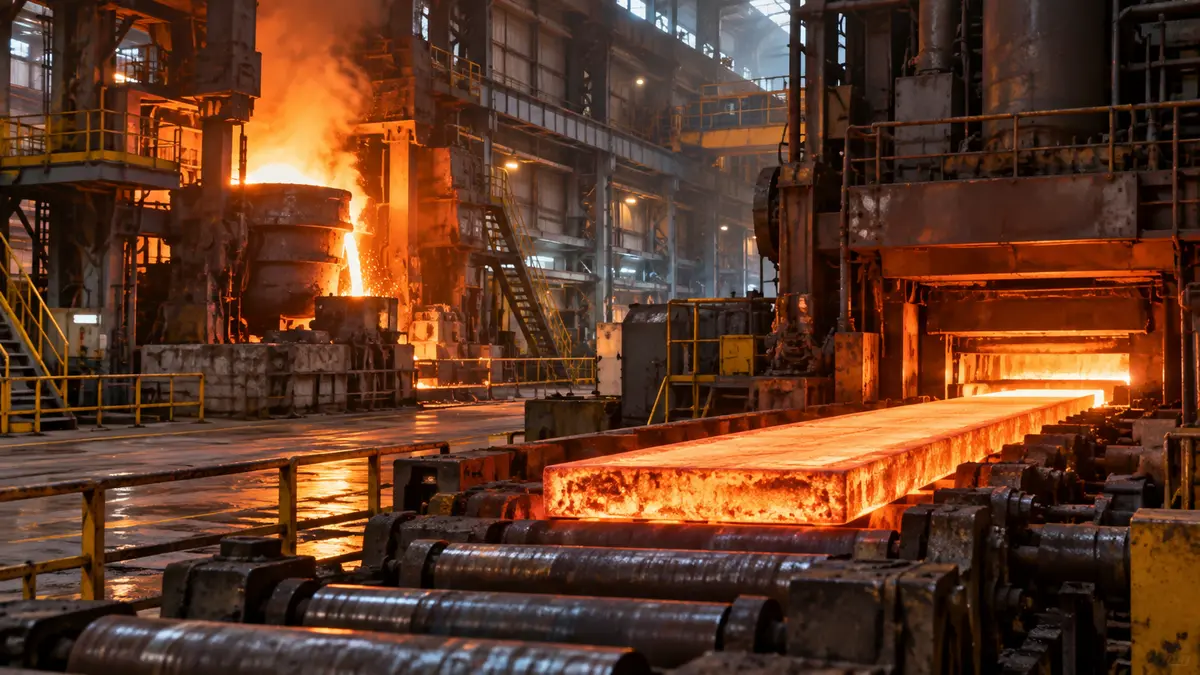
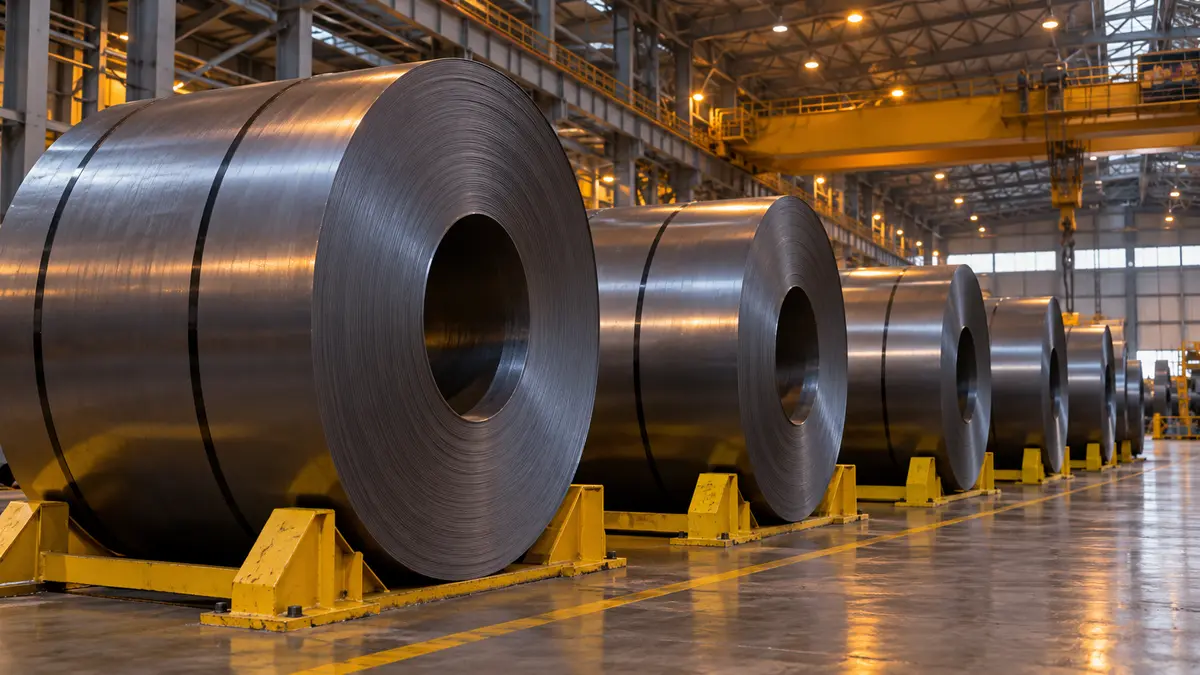
The UK government's takeover of British Steel has now cost taxpayers £235m, on top of £604m spent keeping the Scunthorpe works alive in 2019-20. With the plant reportedly losing £700,000 a day under Chinese owner Jingye, ministers are betting that higher output can restore profitability — even as a threatened 50% EU steel tariff looms over a sector that sends 78% of its exports to the bloc. The rescue is a test case for state intervention in heavy industry.
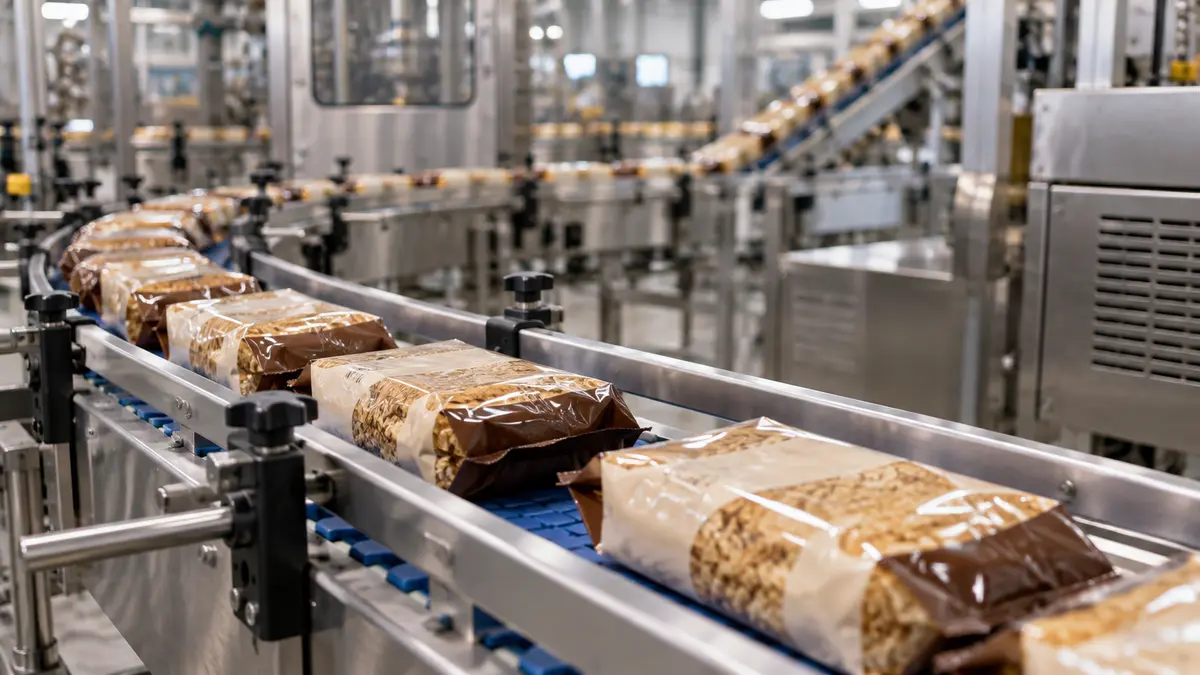
Nestlé will cut 12,000 white-collar jobs and a further 4,000 roles over two years as new chief executive Philipp Navratil raises the cost-savings target to 3 billion Swiss francs by end-2027; better-than-expected third-quarter organic growth of 4.3% and a return of real internal growth to positive territory sent the shares up 9.3%.
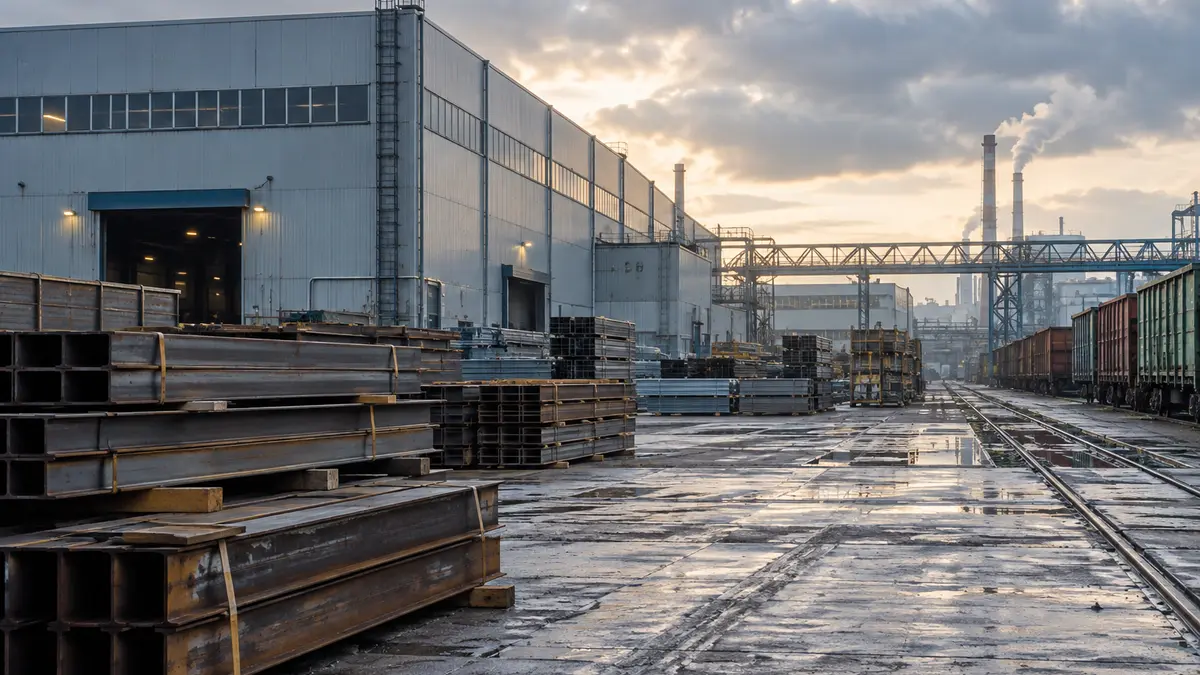
Russia's Ministry of Economic Development has cut its GDP growth forecast for 2025 from 2.5% to 1% and for 2026 from 2.4% to 1.3%, embedding the VAT rise to 22%, a near-frozen investment trajectory and gradual ruble weakening into its baseline. Economists see the revised macro-forecast as a consolidated position with the Bank of Russia around one 'red line' - avoiding recession - while doubting the 4% inflation target is attainable.

Private credit has grown from a niche lender to middle-market companies into a $1.7 trillion industry. Moody's Analytics warns its web of connections can act as a 'shock amplifier', while experts flag record dry powder and the rise of PIK loans. Others argue capital cushions and post-2008 discipline make contagion fears overblown.

The US Senate passed the GENIUS Act, the first federal framework for dollar-pegged stablecoins, opening issuance to banks, fintechs and retailers and threatening the Visa-Mastercard duopoly that moves most of the world's payments. With Treasury projecting the market could grow eightfold to over $2 trillion and JPMorgan already launching a deposit token, the law begins a long rewire of how value moves — and of who profits from it.
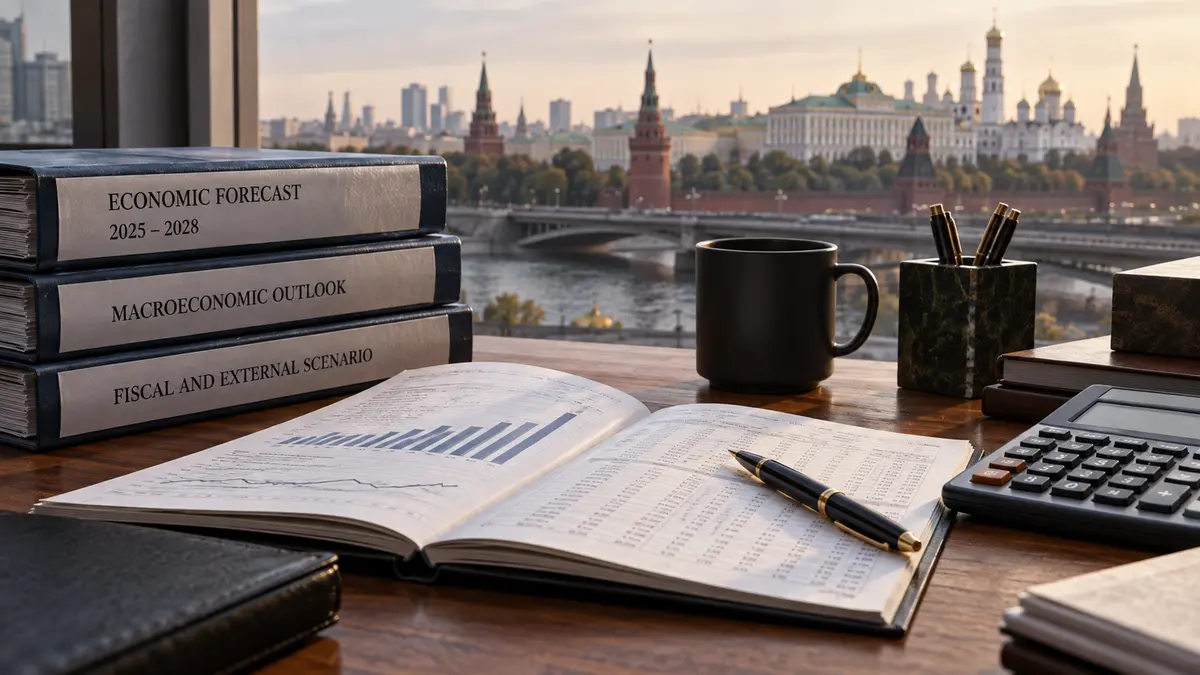
Russia's Ministry of Economic Development kept its 2025 GDP growth forecast at 2.5% — well above the Bank of Russia's 1.0-2.0% interval and the 1.6% analyst consensus — as it submitted the 2025-2028 scenario conditions to the government in April 2025. The ministry expects inflation of 7.6%, an average ruble rate of 94.3 per dollar, Brent at $68 and Urals at $56 a barrel, with the trade surplus compressing to $86.8 billion. Officials frame the year as a 'managed cooling' toward potential growth rates, not a slide into recession.
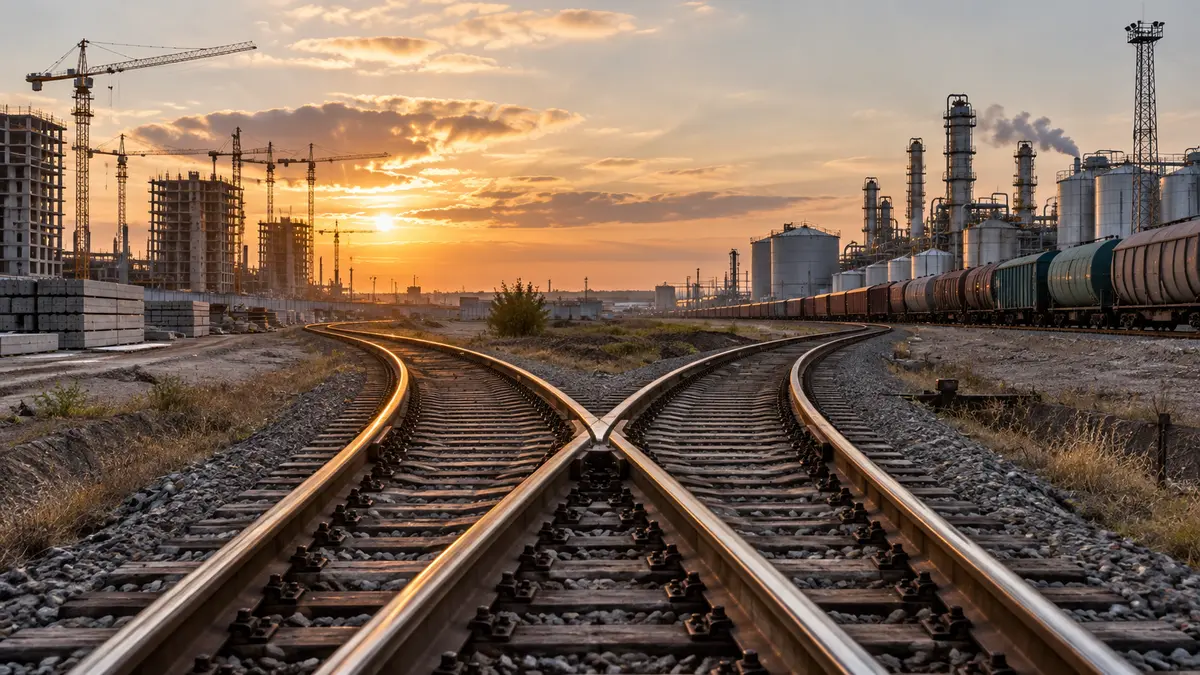
Rating agency Expert RA's macroeconomic forecast for 2025, published in April, describes an economy that has traded overheating for an 'overbend' and now faces a fork. Its baseline 'reasonable sufficiency' scenario sees inflation slowing to 6.5-7%, the key rate declining to 18-19% by December and GDP growing around 1.5%, while the 'additional shock' scenario keeps the rate at 21% with growth close to zero. Construction is identified as the epicentre of the slowdown, the ruble is forecast to average 96 per dollar for the year and to breach 100 in the fourth quarter.
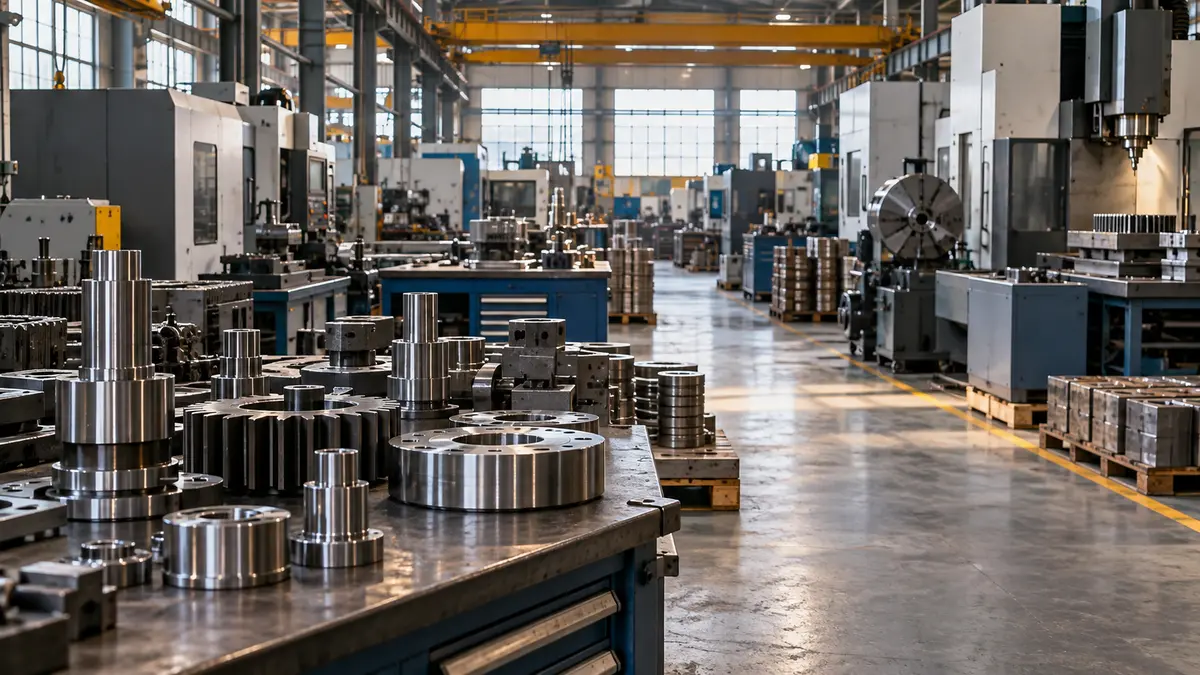
Russia's industrial output grew 4.6% in 2024, the strongest result in thirteen years outside the post-pandemic rebound, according to Rosstat data published on 5 February 2025. Manufacturing led the charge with 8.5% growth, driven not only by defence-related orders but also by consumer-facing industries such as furniture, clothing, food and beverages. Yet economists warn that capacity constraints, personnel shortages and cooling consumer demand point to a sharp slowdown in 2025.

Total global gold demand reached a record 4,974 tons in 2024, the World Gold Council says. Central banks bought more than 1,000 tons for a third straight year — led by Poland, Turkey and India — while investment demand jumped 25% to a four-year high of 1,180 tons on strong ETF inflows. Jewelry was the only weak spot, falling 11%, as bullion prices set 40 record highs during the year.

In January 2025 Russians posted 30% more resumes than a year earlier while vacancies fell 8%. With unemployment at a record-low 2.3%, companies are freezing hiring and wage growth is set to slow — the labour market moves from overheating to balance.

One in four developing countries will end 2024 poorer than on the eve of the pandemic in 2019, according to World Bank data cited in a year-end analysis by BFM.ru. The income gap between developing and advanced economies widened in nearly half of developing nations during 2020-2024 — the highest share since the 1990s — reversing half a century of convergence driven largely by China's rise. With per-capita income growth projected at just 3% through 2026 against 3.8% in the pre-pandemic decade, the question is whether India can replace China as the engine of global poverty reduction.

On 5 December 2024 Bitcoin passed $100,000 for the first time, hours after President-elect Donald Trump named former SEC commissioner Paul Atkins to run the Wall Street regulator. The price was up 40% from US election day and more than double its start-of-year level, with spot Bitcoin ETFs launched in January 2024 by firms including BlackRock, Fidelity and Grayscale pulling in billions. Behind the milestone lie seven wild moments in the cryptocurrency's history, from the 2010 pizza purchase to the fall of the 'Crypto King'.

ONS figures published on 15 November 2024 showed the UK economy growing by just 0.1% in the third quarter, down from 0.5% in the second, with monthly GDP shrinking 0.1% in September. The UK ranked sixth in the G7, behind France, Germany and the US, as budget uncertainty and a 4.75% base rate weighed on spending, while business investment rose 4.5% year on year.
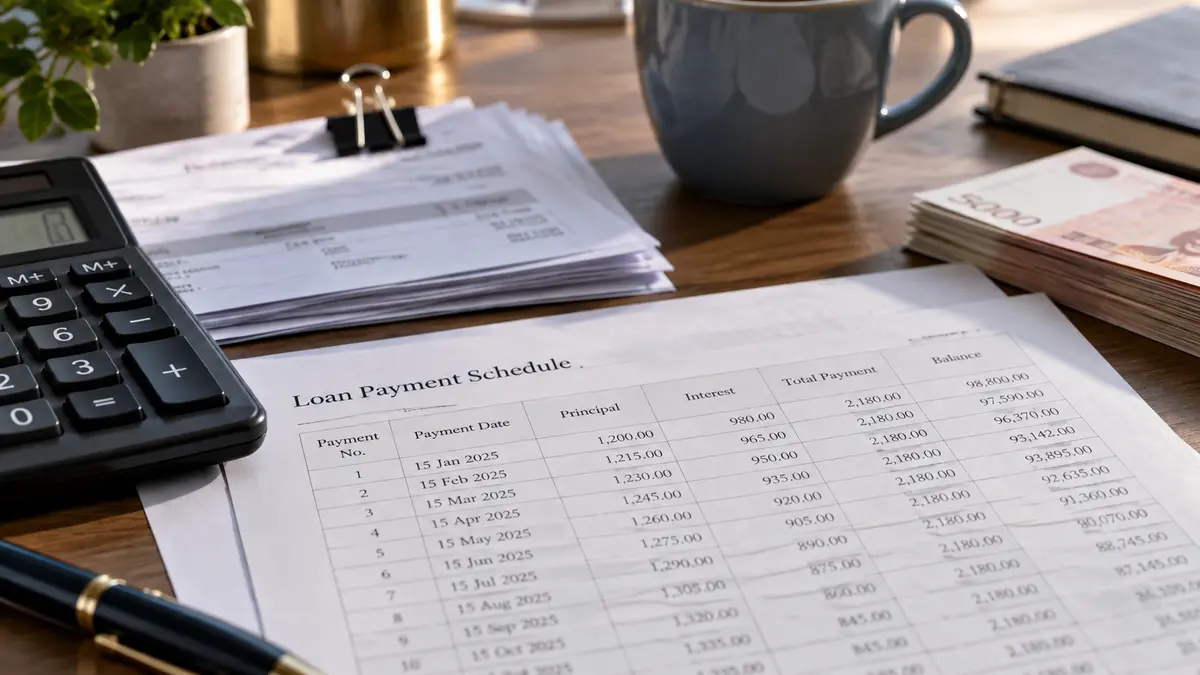
Analysts at the Center for Macroeconomic Analysis and Short-Term Forecasting (CMACP) warned that the Bank of Russia's high key rate and the prospect of further hikes create risks of recession and a slide into stagflation, saying the rate must fall to roughly 15-16% by mid-2025 to avoid negative annual GDP growth. The central bank disagrees, arguing that hikes are precisely what prevents stagflation.
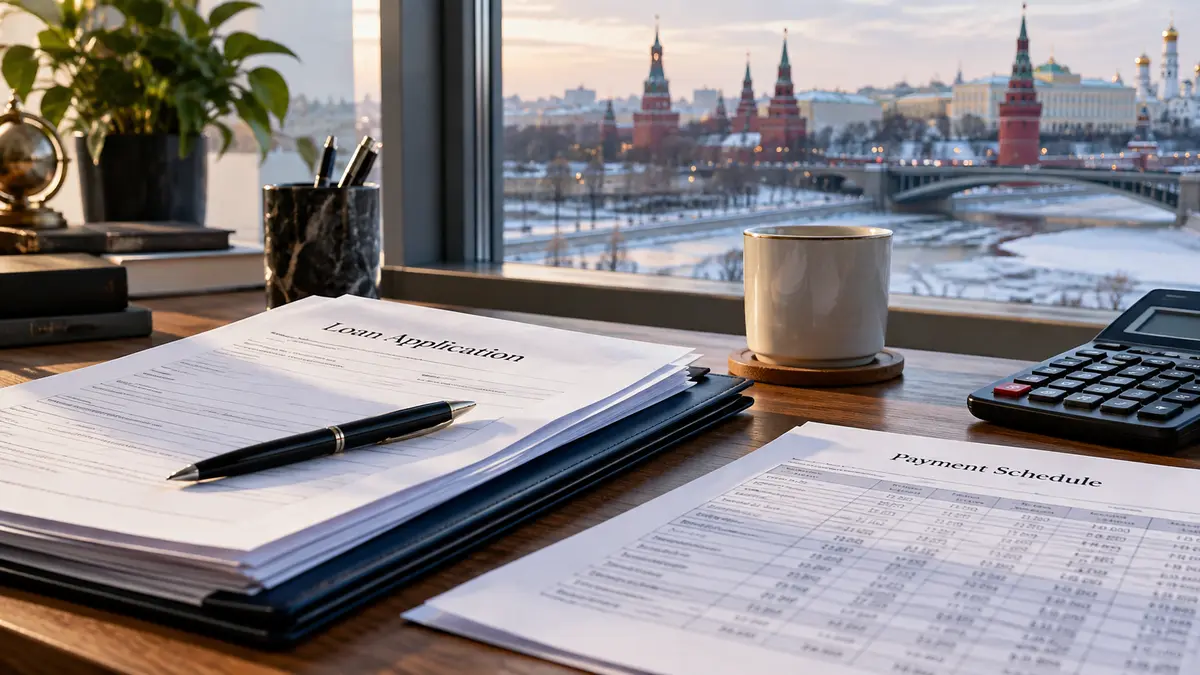
On 25 October 2024 the Bank of Russia raised its key rate by 200 basis points to 21%, the third consecutive hike, and kept a hawkish signal that points to a further increase in December. The regulator doubled its 2024 inflation forecast to 8-8.5% from the mid-year range of 4.3-4.8%, acknowledged a communication mistake that fuelled credit demand, and pushed the expected return of inflation to target to the first half of 2026. Analysts now see the rate peaking at 22-23% before any cuts begin in 2025.

The IMF says the battle against inflation is 'almost won', with global headline inflation seen falling from 5.8% in 2024 to 3.5% by the end of 2025. Yet growth stays 'stable yet underwhelming' at 3.2%, and downside risks — market volatility, geopolitics, commodity prices and a stubborn services sector — now dominate the outlook.

Headline inflation in the United States is drifting back toward the Federal Reserve's 2% target, yet the cumulative price increases since 2021, stubborn services and housing costs, and rising household debt mean the cost-of-living squeeze is far from over.

Workers and union officials at Boeing's Everett plant describe a factory in 'panic mode' amid the safety crisis triggered by January's 737 Max 9 door plug blowout: managers accused of hounding staff over quality concerns, a 787 verification backlog, a new FAA investigation into possible falsified inspection records, and a deepening dispute over whether cost-cutting and union containment lie at the heart of Boeing's quality problem.

The Bank of Japan raised short-term rates from -0.1% to around 0-0.1% — its first hike since 2007 — scrapped yield curve control and stopped buying ETFs, ending the world's only negative rates regime in place since 2016. Governor Kazuo Ueda says the virtuous wage-price cycle is taking hold after spring negotiations delivered a 3.7% base-pay rise, but promises accommodative conditions will be maintained as the yen slides beyond 150 to the dollar.

The mood at Davos in January 2024 was 'not bad, but not great'. Behind that verdict lies a deeper shift: after the pandemic, supply-chain bottlenecks, an inflation surge and war in Europe, the global economy is moving from frictionless free trade towards 'glocalisation' — shorter supply chains, rebuilt domestic manufacturing and a more strategic role for the state, with industrial policy no longer a dirty word.
A new IMF analysis finds artificial intelligence is set to affect nearly 40% of all jobs globally — around 60% in advanced economies and 26% in low-income countries. Managing director Kristalina Georgieva warns that in most scenarios AI will likely worsen overall inequality, and urges comprehensive social safety nets and retraining programmes so the AI transition becomes more inclusive.

The UK housing market enters 2024 bruised but stabilising: prices fell 1.8% in 2023, far less than the 5–12% declines once feared, and lenders expect a second, milder year of falls of up to 4% before a recovery in 2025. This analysis unpacks what the forecasts from Savills, Nationwide, Halifax, Knight Frank and others really mean for buyers, the 1.5 million households rolling off fixed-rate mortgages, and the wider economy.


 Uzbekistan's Tourism Expansion: Heritage Cities, Living Crafts and Regional Routes
 Ancient Fortresses and Museums of Western Uzbekistan
 Imam al-Bukhari’s Heritage and Samarkand’s Pilgrimage Landscape
 Uzbek Food and Cultural Traditions: From London’s Festival to Regional Tables
 Tashkent’s Museums, Mahallas and New Cultural Spaces
 Rishtan’s Craft Neighbourhood and the Fergana Valley
 Uzbekistan’s Western Rail Corridor and the Journey to Khiva
 Parkent’s Chashma Village: Folk Traditions Near Tashkent
 Nilu and Sangardak: Village Tourism in Surkhandarya
 Bukhara’s Biennale: Contemporary Art in Historic Spaces
 One Day in Kasri Orifon: Bukhara’s Pilgrimage Village
 Khiva’s Walled City: Architecture, Palaces and Living Traditions