Russia's LNG Exports Rose 4% in 2024 to Record 33 Million Tonnes, Novak Says
Russian LNG exports increased by 4% in 2024 to approximately 47.2 billion cubic metres (around 33 million tonnes), Deputy Prime Minister Alexander Novak said, as the country redirected energy flows from pipeline gas to liquefied natural gas amid the loss of the European market. The growth was driven by the Novatek-led Arctic LNG and Yamal projects.
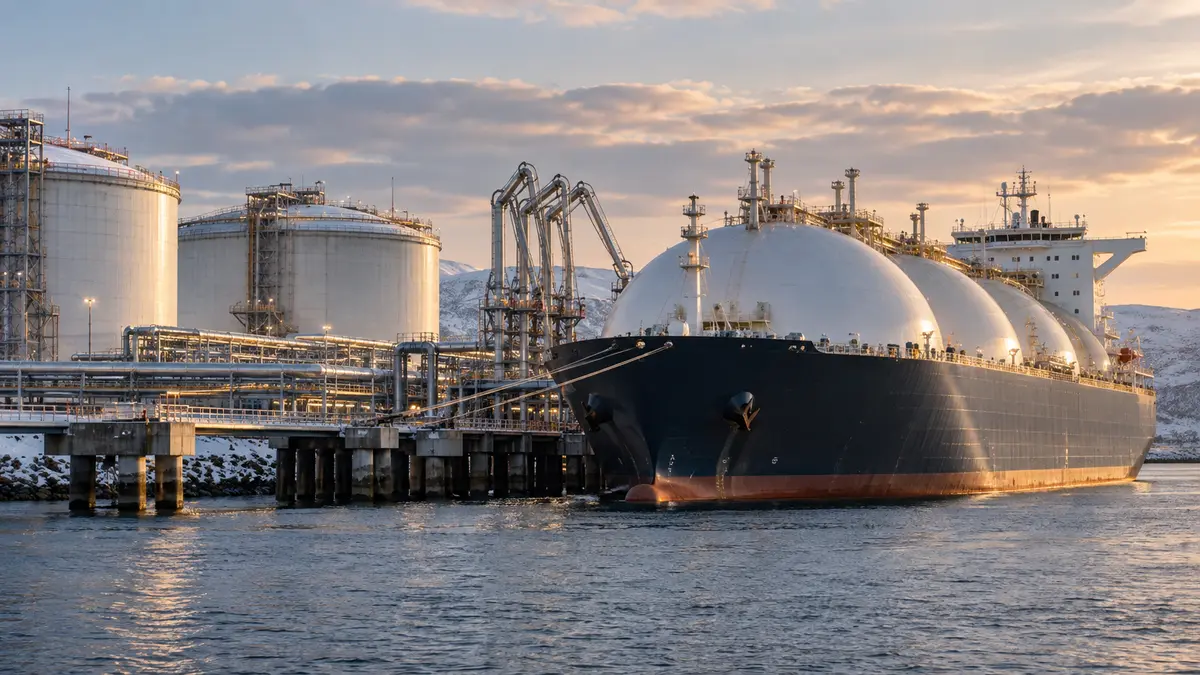
Russia's exports of liquefied natural gas rose by 4% in 2024 to approximately 47.2 billion cubic metres, equivalent to around 33 million tonnes, Deputy Prime Minister Alexander Novak said, as reported by Interfax on 30 January 2025. The growth came as Russia continued to redirect its energy exports from pipeline gas to LNG following the loss of the European pipeline market.
Key figures
- LNG exports in 2024: approximately 47.2 bcm (~33 million tonnes), up 4% year on year
- Primary driver: Novatek's Yamal LNG and Arctic LNG 2 projects
- Main destinations: China, India, Turkey, and remaining European buyers
- Pipeline gas exports to Europe: continued to decline from pre-2022 levels
- Oil exports to China: record 108.47 million tonnes in 2024
- Grain exports: 83.5 million tonnes, also a record

The structural shift
The growth in LNG exports reflects a fundamental restructuring of Russia's energy trade that began after 2022, when European countries sharply reduced purchases of Russian pipeline gas. The Yamal LNG plant, operated by Novatek with participation from TotalEnergies, CNPC and the Silk Road Fund, has been running at full capacity since 2019, producing approximately 16.5 million tonnes per year. The Arctic LNG 2 project, launched in stages from late 2023, is designed to add another 19.8 million tonnes annually at full capacity, though sanctions have complicated its ramp-up.
The shift to LNG has allowed Russia to maintain energy export revenues despite the loss of the European pipeline market, but it comes with higher transport costs, a need for specialised ice-class tankers, and exposure to volatile spot prices. The government has set a target of raising LNG production to 100 million tonnes per year by 2035, which would require significant new investment in liquefaction capacity, shipping and port infrastructure.
The LNG expansion also carries geopolitical implications: as Russia deepens energy ties with Asian buyers, its leverage over European energy security diminishes, while dependence on Chinese infrastructure and financing for Arctic projects grows correspondingly.














Leave a comment
Your comment is awaiting moderation.