Brent Crude Falls to $105 a Barrel as Supply Fears Ease
Oil prices slipped on Thursday after a sharp drop a day earlier, as Saudi Arabia's plan to reroute crude through Oman and hopes of easing Middle East tensions calmed supply concerns. US fuel inventories rose unexpectedly.
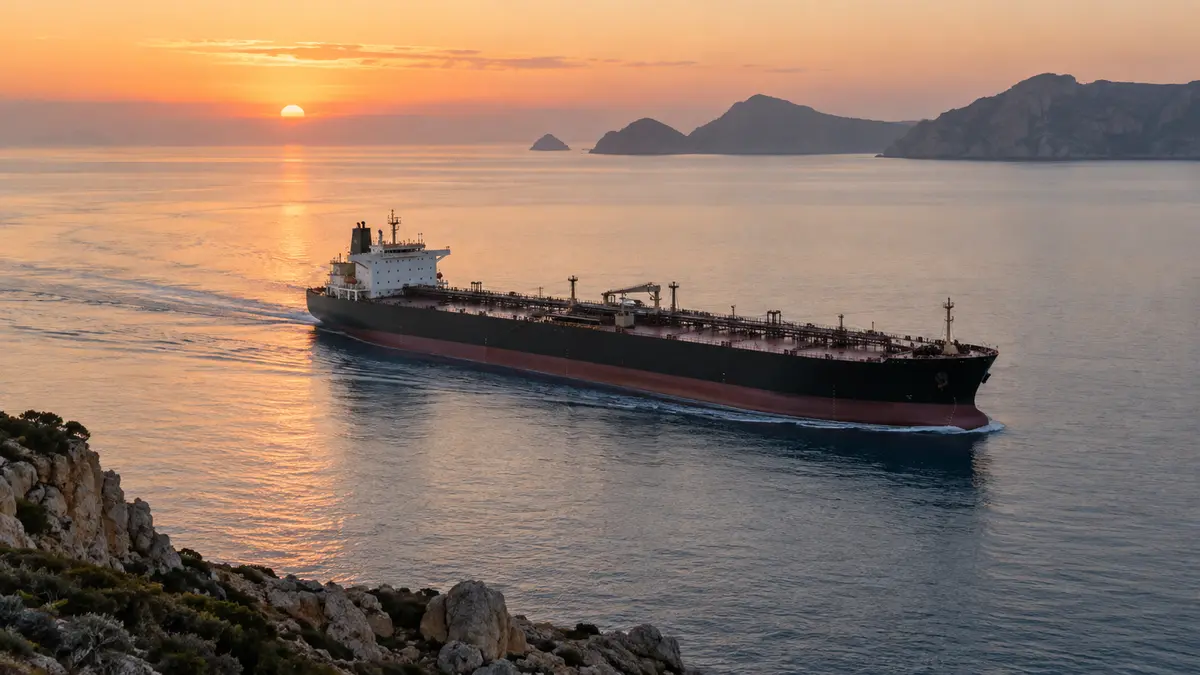
Oil prices edged lower on Thursday morning after a marked decline a day earlier, as worries about fuel supply disruptions from the Middle East receded. By 8:05 Moscow time, November Brent futures on the ICE Futures exchange in London were down $0.14, or 0.13%, at $105.69 a barrel. On Wednesday, Brent had fallen $2.92, or 2.7%, to $105.83 a barrel.
October West Texas Intermediate futures on the New York Mercantile Exchange were meanwhile down $0.27, or 0.26%, at $102.16 a barrel in electronic trading. In the previous session, the contract had lost $3.4, or 3.2%, to $102.43 a barrel.
The retreat in prices followed reports that Saudi Arabia plans to increase oil deliveries to Asian refineries by transshipping cargoes from vessel to vessel in the Omani port of Sohar, Reuters reported, citing informed sources. The arrangement would partly offset the fall in exports caused by the suspension of the East-West pipeline.

The East-West pipeline, with a capacity of about 7 million barrels a day and a length of 1,200 km, had been used to carry Saudi crude to the Red Sea port of Yanbu, from where fuel is shipped to customers bypassing the Strait of Hormuz. State oil company Saudi Aramco is working to bypass the damaged section of the line, which would allow it to partly resume operation, Bloomberg wrote, citing sources. Pumping through the East-West pipeline is expected to recover to roughly half of its previous volume within days, and the company intends to fully restore the line in about six weeks, the sources said.
What is driving the move in oil prices
"Concerns about supply shortages have eased somewhat on the news that Saudi Arabia will transport cargoes via Oman," said Hiroyuki Kikukawa of Nissan Securities Investment. "Also, expectations of progress on easing Middle East tensions ahead of next week's US-China summit are capping oil quotes."
Pressure on oil prices also came from data published on Wednesday showing an unexpected rise in US fuel product inventories last week. According to the US Department of Energy, commercial crude oil stocks in the country fell by 640,000 barrels over the week, whereas analysts on average had expected a larger drawdown of 1.6 million barrels.
- Gasoline inventories rose by 794,000 barrels, against expectations of a 1 million barrel decline.
- Distillate stocks increased by 1.585 million barrels, versus forecasts of a 100,000 barrel rise.
- Crude oil stocks fell by 640,000 barrels, a smaller drawdown than the 1.6 million barrel decrease analysts had expected.
The build in fuel stocks in the United States weighed on prices alongside the supply-side news. Traders in China and across Asia are watching both the resumption of Saudi exports and the outcome of the upcoming US-China summit, which could shape expectations for Middle East tensions and, with them, the risk premium embedded in crude prices. The transshipment scheme via Oman offers a temporary bridge until the East-West pipeline is fully restored.

















Leave a comment
Your comment is awaiting moderation.