Snapchat Open to Teen Time Limits, Snap Boss Tells BBC
Snap chief executive Evan Spiegel told the BBC the company would be willing to implement time limits for teenage Snapchat users, following pressure from Meta after its multi-billion dollar settlement with US states. The interview also covered new features for Snap's upcoming Specs smart glasses.

Snapchat's parent company Snap Inc has said it would be "willing to implement" time limits for teenage users of its app, chief executive Evan Spiegel told the BBC in an interview at the company's headquarters in California. The comments came after Meta called on other social media companies to follow its lead in making platform changes agreed as part of a multi-billion dollar legal settlement with US states.
Spiegel said that setting a maximum amount of time that young users could spend on Snapchat could be "an important step forward for the industry," adding that the move would help identify industry norms and would be "beneficial overall." "We've looked really thoughtfully at the terms," he said. Asked directly about a default time limit, he replied: "I think that's a really good example of something that we'd be willing to implement." However, he did not commit to a timeline, saying: "That's something we've talked about internally. I don't have more to share today."
The remarks follow Meta's August settlement with attorneys general from most US states, who alleged that Instagram and Facebook were deliberately designed to be addictive for young users. Under the deal, Meta agreed to pay $12.7 billion over a 10-year period and to introduce a two-hour daily limit for teen users across its platforms by default, along with muted notifications during school hours and blocks at night. The company denied any wrongdoing. It also said it would implement even more stringent time limits and pay an additional $5.3 billion if YouTube and TikTok follow suit.
Pressure across the industry
Last month, a Meta spokesperson said the company was hopeful that Snap would make similar platform changes. Meta, YouTube, TikTok and Snap have all faced a wave of litigation alleging that their apps have contributed to a youth mental health crisis. Snap has additionally been accused of facilitating illegal drug sales. YouTube's parent Google said it had no comment when asked whether it planned to adopt the measures in Meta's settlement, and TikTok did not respond to the BBC's request for comment. Spiegel noted that Snap already offers parental tools through its Family Center feature, which lets parents track aspects of how their teens use Snapchat. "We want to figure out how we can be part of the solution," he said.
Key points of Meta's settlement and the industry response:
- Meta agreed to pay $12.7 billion over 10 years and denied any wrongdoing.
- A two-hour daily limit for teen users applies by default across Meta's platforms.
- Notifications are muted during school hours and access is blocked at night.
- Meta would pay a further $5.3 billion and tighten limits if YouTube and TikTok follow suit.
- Snap says it is willing to implement a teen time limit but has given no timeline.
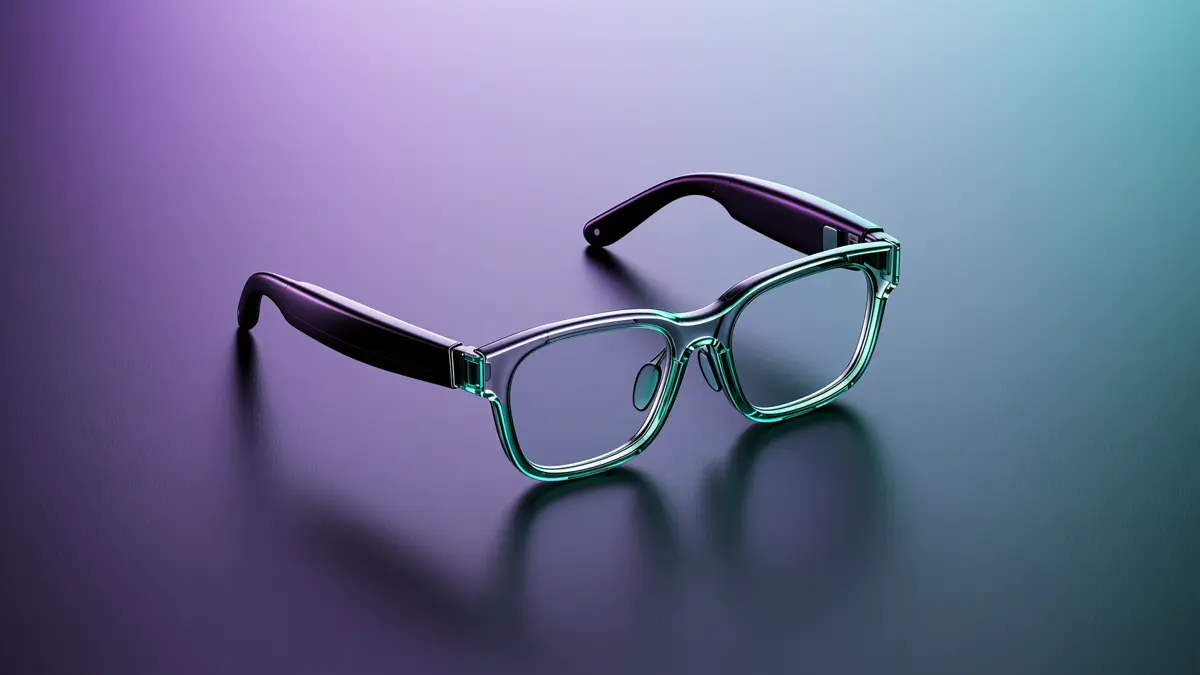
Spiegel's comments came as Snap unveiled new features for its upcoming Specs smart glasses, which the company said could connect to Apple iPhone and Mac devices. The glasses use artificial intelligence to suggest things for people to do based on what the technology learns about their goals, relationships and routines. "Rather than the way that people use chatbots today where you constantly have to ask for stuff, Specs can understand what's important to you, and then offer recommendations or offer next steps," Spiegel said. Like other smart glasses, Specs will overlay digital elements onto the real world.
The device will retail at $2,195 in the United States and £1,995 in the United Kingdom, with the target audience being early adopters, developers and enterprise customers. Snap says the glasses can stream video and offer live translation across 60 languages. Weighing about 130 grams with see-through lenses, Specs is positioned as a middle ground between VR headsets such as Meta's Quest 3 and lightweight smart glasses from rivals. "We're creating a totally new category here," Spiegel said.
Specs is Snap's latest attempt in wearable technology, a decade after its short-lived Spectacles cost the company tens of millions of dollars. The launch comes as Meta faces backlash over its own smart glasses, estimated to be the most popular on the market, with seven million pairs sold. Some critics have derisively called them "pervert glasses" over reports of people being secretly filmed. Snap says Specs does not use facial recognition to identify people, and a white light flashes above the user's nose when the device is recording video or taking a photo, so that people nearby can see that recording is happening. Meta says it has remotely disabled the cameras on thousands of its devices on which tampering with or destruction of the indicator light was detected.
For Snap, the dual announcement — openness to teen time limits and a premium wearable launch — marks an attempt to address regulatory pressure in the United States while pursuing a new hardware category, with the glasses priced for markets including the United Kingdom.


















Leave a comment
Your comment is awaiting moderation.